REVIEW · KEY WEST
Shark and Wildlife Viewing Adventure in Key West
Book on Viator →Operated by Key West Extreme Adventures · Bookable on Viator
Sharks up close, but safely. I like that this Key West outing runs on a purpose-built 34-foot eco catamaran and uses a power-pole system instead of anchors, so the boat stays put without wrecking the seagrass below. You also get the kind of setup where the action is right at the edge of the boat—exactly where your camera wants to be.
I’m also a fan of the guide style. Names you might hear on board include Matt, Clay, and Tanner, and the whole point is to make the wildlife feel understandable, not just exciting—plus you’re given polarized sunglasses and cold drinks/snacks to keep the ride comfortable.
One thing to keep your expectations honest: shark and dolphin sightings can swing with conditions. Cold fronts can reduce shark activity, so plan to treat this as a nature show, not a vending machine.
In This Review
- Key Highlights That Matter
- Getting to the Dock: Pier B and the Tiger Cat
- The Eco-Friendly Boat Setup (and Why It Feels Better)
- From Harbor to Refuge: Wildlife Before the Sharks
- Mangroves and Shallow-Water Stops for Real Photo Ops
- The Shark Zone: What Happens When the Bait Hits the Water
- Meet the Crew: Learning That Actually Sticks
- Drinks, Snacks, Shade, and the Two-Hour Reality Check
- Price and Value: What $99 Buys You in Key West
- Practical Tips: How to Get Your Best Day on the Water
- Should You Book This Shark Adventure?
- FAQ
- Where do I check in for the Key West shark and wildlife tour?
- What time does the tour usually depart?
- What boat will I be on?
- How does the boat stay in place during shark viewing?
- How do you attract the sharks?
- What wildlife might I see besides sharks?
- What’s included in the ticket price?
- Are there bathroom facilities on the boat?
- Are alcoholic drinks allowed on this tour?
- Can my child join, and is it free?
Key Highlights That Matter
- Power-pole holding keeps the boat stable without anchoring on sensitive bottoms
- Baited shark viewing brings lemon, nurse, bull, blacktip, and hammerhead sharks close to the boat
- On-water wildlife time first means you’re not waiting in boredom for shark action
- Shaded seating and a restroom aboard make the two hours easier on kids and older folks
- Small boat feel with a maximum of 35 people helps you see and hear what’s going on
Getting to the Dock: Pier B and the Tiger Cat
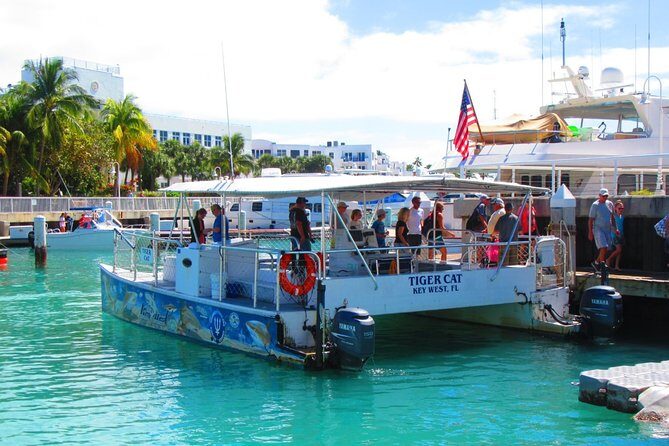
This is a no-fuss start if you’re staying in town. Check in at the dock on Pier B behind the Westin Resort, at the area tied to Opal Key Resort & Marina (245 Front St). There’s no hotel pickup, so you’ll either drive, park nearby, or use local rides to get to the pier.
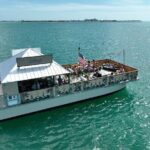
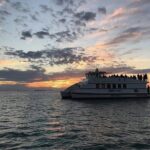
After you check in, you’ll climb aboard the Tiger Cat, a custom-built 34-foot catamaran. You’ll then head out through the harbor toward the Key West National Wildlife Refuge zone, before the boat settles in for shark time later.
Quick tip: the departure time can vary by season, tides, and weather. The most important “do this early” move is to call the operator using the phone number on your ticket at least 24 hours before you go—this helps you avoid showing up to the wrong moment.
Other wildlife and shark tours we've reviewed in Key West


The Eco-Friendly Boat Setup (and Why It Feels Better)
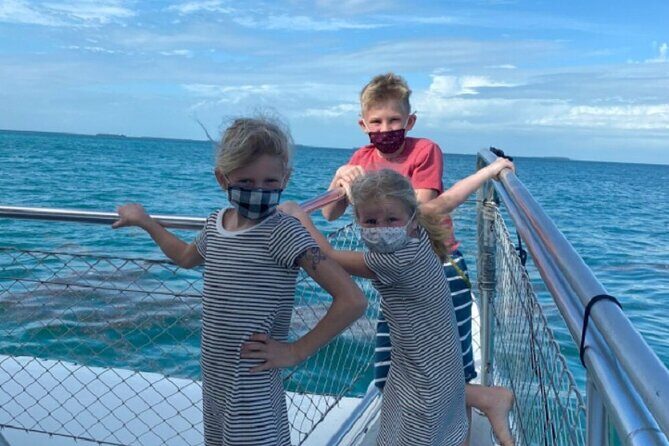
The Tiger Cat isn’t just a comfort upgrade—it’s part of why this tour feels less disruptive to the water. Instead of using anchors, the boat stays in position with a power-pole system. That matters because it avoids scraping the seagrass and coral bottom, which is exactly the habitat you’re hoping to see thriving.
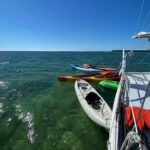
Comfort is also built in. You’ll have a canopy for shade (handy when the sun is doing its usual Florida thing), and there’s a restroom on board. That sounds basic, but it’s huge on a short tour: it keeps the vibe relaxed and family-friendly.
You’ll also get practical extras that most people end up using immediately: polarized sunglasses and cold beverages plus snacks. Even if you’re not a “boat person,” this helps you stay focused on wildlife instead of sweating through the experience.
From Harbor to Refuge: Wildlife Before the Sharks
You don’t jump straight to shark feeding. The first stretch starts with a cruise through Key West harbor, headed toward the refuge area. This is where the boat ride becomes its own mini-adventure, because you’re scanning for wildlife while the crew talks about what’s happening out there.
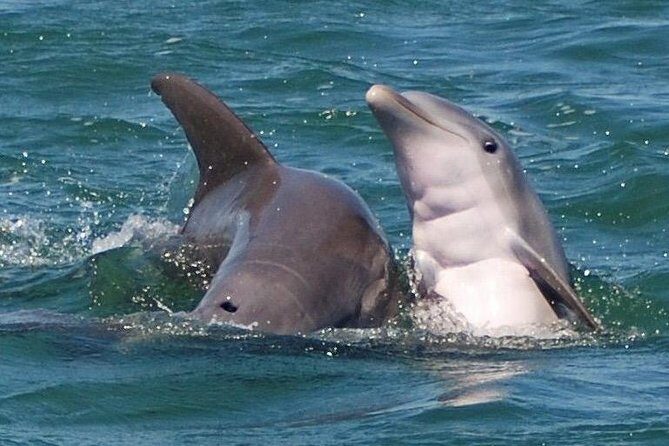
Keep your eyes open for dolphins as you move through the harbor region. Even when dolphins aren’t in the mix, you’ll likely get other highlights such as native birds and hints of the local ecosystem.
The value of this first leg is simple: you’re learning the “cast list” before the main event. By the time the boat turns toward prime shark territory, you’re already looking at the water like an insider—where to watch, what behaviors mean, and why some species show up at certain moments.
Mangroves and Shallow-Water Stops for Real Photo Ops
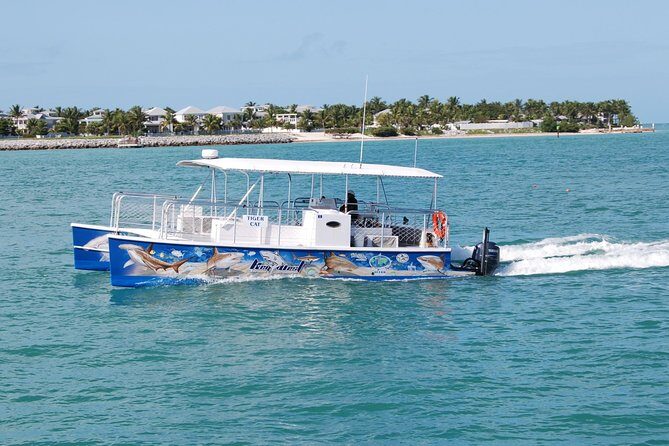
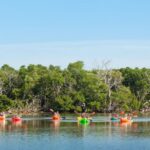
A big part of this tour’s appeal is that you spend time in shallower waters near mangrove areas. That’s where you can often spot movement sooner, and it’s also where the ecosystem looks active rather than empty.
As you travel, your pilot points out wildlife you might see, including:
- dolphins
- sea turtles
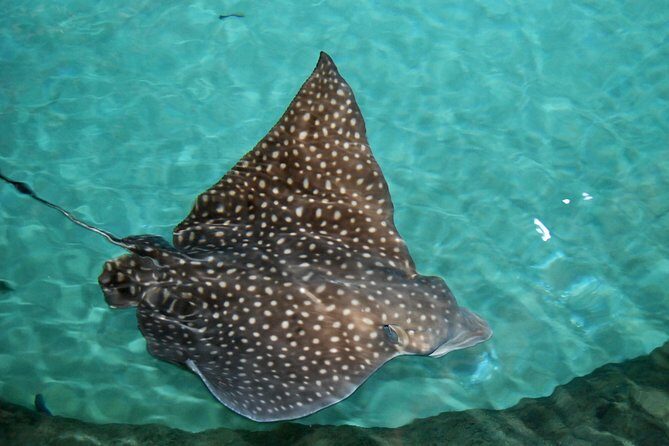
- stingrays
- barracudas
- tarpon
- native birds
- plus assorted marine life that shows up when conditions are right
This segment also comes with commentary about the local ecosystem. I like this approach because it turns the ride from sightseeing into pattern recognition. You learn what the environment does—how the water, wind, and seasonal shifts change which animals feel comfortable showing up.
One practical note from the experience style here: weather can affect what you see. The tour may still run in different conditions, but the animal behavior follows its own schedule. If you’re trying to catch dolphins and they’re absent, it doesn’t mean you wasted time—it often means your best shot for marine sightings was just shifted.
The Shark Zone: What Happens When the Bait Hits the Water
This is the centerpiece. After cruising through harbor and shallow areas, the Tiger Cat heads about four miles (roughly six km) offshore to what the crew calls prime shark territory.
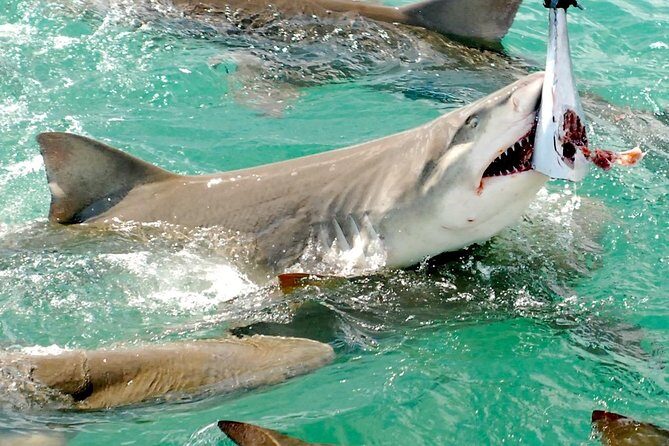
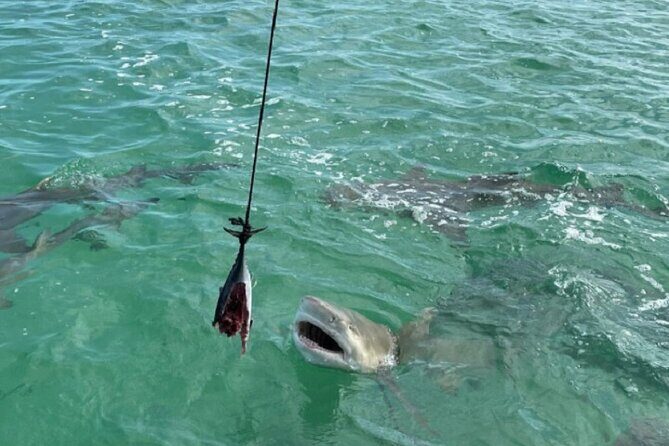
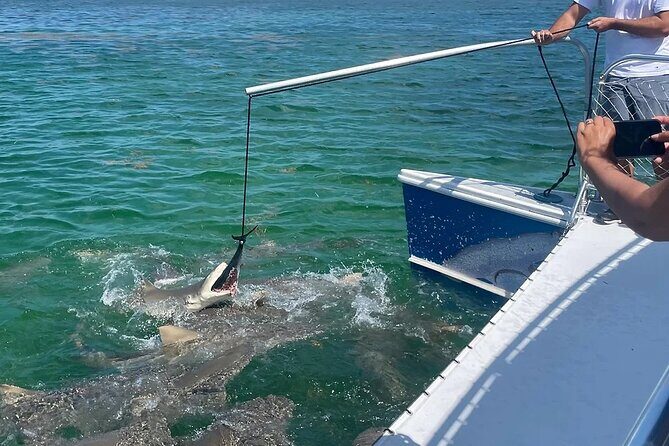
Then comes the part everyone remembers: the pilot drops scented bait into the water. The goal is straightforward—bring sharks up close so you can observe them in safety and comfort from the catamaran.
You’re set up to see multiple species, commonly including lemon sharks and nurse sharks, plus the possibility of bull sharks, blacktip sharks, and hammerhead sharks. The shark viewing portion runs for nearly an hour, which is long enough to watch patterns rather than just snap one quick photo and move on.
A smart photography mindset helps here. Have your camera ready before the bait goes in, and keep it aimed at where the water starts to “tell the story.” When sharks are actively feeding, the action tends to concentrate—so don’t chase every ripple. Let the crew’s timing guide you.
Also, remember you’re not in a cage. You’re on the boat, with the wildlife doing its thing nearby. That’s why the crew’s position and the boat stability matter so much—and why the power-pole setup is more than an eco detail.



Meet the Crew: Learning That Actually Sticks
The guides are a huge reason this tour earns such strong word-of-mouth. You’ll hear the local expertise from people like Matt, Clay, and Tanner—and what stands out is how they mix real information with a light, friendly tone.
The education isn’t academic. It’s tied to what you’re currently seeing. For example, you’ll get explanations about the delicate ecosystem of the area and why the wildlife shows up the way it does. That’s how you end up understanding the difference between spotting movement versus understanding behavior.
The crew also keeps the experience fair. People report that the guides worked to make sure everyone had a chance to see the action up close during feeding. On a small boat, that matters. The difference between a “good trip” and a “great trip” is often whether you actually see what everyone came for.
One bonus detail you might run into: at least some riders mention that the crew captured a video of the shark feeding that can be downloaded. If this matters to you, it’s worth asking on board what footage options they provide that day.
Drinks, Snacks, Shade, and the Two-Hour Reality Check
This outing is built around a tight window—about two hours total, with the shark viewing portion taking up a big chunk of that time. Because it’s not an all-day plan, it fits easily into a Key West itinerary that’s already packed with beaches, museums, and sunsets.
What you get for the ticket price is also practical:
- soda and juice
- bottled water
- snacks
- polarized sunglasses
- a restroom on board
- and a professional wildlife guide
You can bring your own lunch and non-alcoholic drinks if you want. Alcohol isn’t permitted, so you’ll stay in a calmer, family-friendly lane.
The boat has shade under the canopy, but Key West wind can still make you feel chilly—especially in cooler months. One of the best seasonal tips from the ride-style here: bring a sweatshirt for morning or winter tours. If you run a little cold, it’ll save your mood.
Price and Value: What $99 Buys You in Key West
At $99 per person for about two hours, this is not a bargain, but it is also not inflated for what you’re getting. You’re paying for:
1) a purpose-built boat setup designed for wildlife viewing,
2) local wildlife expertise from seasoned captains, and
3) a real, guided shark feeding experience with multiple species possible.
The included items do pull some weight. Drinks/snacks and polarized sunglasses aren’t just perks—they reduce friction. You spend less time thinking about comfort and more time watching behavior. The small-group cap of 35 people also matters for value, since you’re more likely to see and hear what’s happening than on a giant charter.
Could you spend less in Key West? Sure. But most cheaper activities won’t put you at the edge of shark-feeding action, with a crew explaining what you’re seeing in real time.
And if weather turns the animal show down, the operator’s policies tend to be fair in practice—there’s an expectation that poor conditions can shift plans. That’s one reason the overall experience is often still worth booking even with the nature-variable risk.
Practical Tips: How to Get Your Best Day on the Water
Here are the moves I’d make if you want maximum payoff:
Bring your own camera discipline. Take photos in bursts before the bait goes in, then slow down and wait for the moments when the water calms and the sharks settle. That’s when you’ll get cleaner shots.
Wear sun protection even on a short ride. A hat and sunscreen help, and you’ll appreciate the sunglasses provided. Wind can fool you into thinking you’re not burning.
Dress for Key West weather swings. There’s shade, but boats still feel cooler, especially in winter mornings. Closed-toe shoes are a smart call for comfort on deck.
Be ready for nature’s schedule. If cold weather hits, sharks may not behave the same way. When that happens, the crew will still work to find the best possible viewing conditions—so your job is to go in with flexibility.
No alcohol. Keep the vibe family-friendly by skipping it. You’ll also avoid any “sitting too long” discomfort when you’re out watching active feeding.
Should You Book This Shark Adventure?
If you want a Key West activity with two things most trips can’t guarantee—close-up wildlife action and real coaching from local experts—this is a strong pick. It’s also ideal for families and mixed-age groups, because the ride is short, the boat is comfortable, and there’s shade plus a restroom.
I’d especially book it if:
- sharks are your top priority,
- you like learning while you watch,
- and you want included comfort (drinks/snacks/sunglasses) without extra planning.
I’d think twice if you’re scheduling around very strict “must see dolphins” expectations. The experience can be excellent without dolphins in the mix, but sightings can shift with temperature and conditions.
If you’re the type who hates waiting on weather, this one still needs a little humility. The good news is the tour is designed to work as a flexible, guided wildlife hunt. When the conditions are right, you’ll get the kind of shark viewing that’s hard to recreate anywhere else.
FAQ
Where do I check in for the Key West shark and wildlife tour?
You check in at the dock on Pier B behind the Westin Resort in Key West, at the area associated with Opal Key Resort & Marina, 245 Front St, Key West, FL 33040.
What time does the tour usually depart?
Departure is typically 10 am, but tour times may vary by season, tides, and weather. You should call the local operator from the phone number on your ticket at least 24 hours before your tour to confirm the departure time.
What boat will I be on?
You’ll be on the Tiger Cat, a 34-foot eco-friendly catamaran.
How does the boat stay in place during shark viewing?
The boat uses a power-pole system instead of anchors to keep it in place, which helps avoid damage to the seagrass and coral bottom.
How do you attract the sharks?
The pilot drops bait into the water to attract sharks so you can observe them from the safety of the catamaran.
What wildlife might I see besides sharks?
You may see dolphins, sea turtles, stingrays, and birds, along with other marine wildlife like barracudas and tarpon.
What’s included in the ticket price?
Included items are a professional guide, polarized sunglasses, soda and juice, bottled water, and restroom access on board.
Are there bathroom facilities on the boat?
Yes, there is a bathroom on board.
Are alcoholic drinks allowed on this tour?
No alcohol is permitted.
Can my child join, and is it free?
Children age 5 and under are free with an accompanying adult. You should specify this during checkout if applicable.