REVIEW · KEY WEST
Southpoint Divers: Afternoon Reef Dive Trip
Book on GetYourGuide →Operated by Southpoint divers · Bookable on GetYourGuide
Reef day, planned by the captain. What makes this afternoon special is its easy, shallow two-tank format on Florida’s famous reef system. I like that you get structured hour-long reef time at 25–35 ft, with the crew aiming for the best visibility and sea conditions. One thing to factor in: you’ll need basic Open Water certification to join as a diver.
This trip also feels built for real people, not scuba robots. After you meet at 606 Front St, you head out from the Keys and do two separate reef locations, picked each day for current and comfort. In the small-group setup, you can get quick communication and help getting settled, which matters a lot if it’s your first independent outing after earning your card.
And it’s not just for divers. Snorkelers and riders are welcome on the trip, so you can make it a family outing—just know that the water time is for certified divers only.
In This Review
- Key points
- Why this Florida Keys reef scuba afternoon is such a good value
- Meeting at 606 Front St: what the morning of your afternoon usually feels like
- Two tank reef sessions: how the day stays relaxed without feeling rushed
- Mark 32 Fingers and Nine Foot Stake: reef structure that helps new divers feel at home
- Captain-picked visibility: why conditions matter more than you think
- Snorkelers and riders are welcome: how to plan a family reef day
- What’s included, what’s optional, and how to avoid surprise costs
- Gear and what to bring: the list that actually matters
- Rules you’ll respect right away: no touching marine life
- Who should book this Key West reef tank afternoon—and who should skip it
- Price, time, and value: is $124 a fair deal?
- Should you book Southpoint Divers for an afternoon reef scuba session?
- FAQ
- Where do I meet for the Southpoint Divers afternoon trip?
- How much does the trip cost?
- How long is the activity?
- What’s included in the price?
- How deep are the reef sessions?
- Do I need certification to join?
- Can snorkelers and riders join the trip?
- Is a guide included?
- What optional items can I add?
- What should I bring and what is not allowed?
Key points
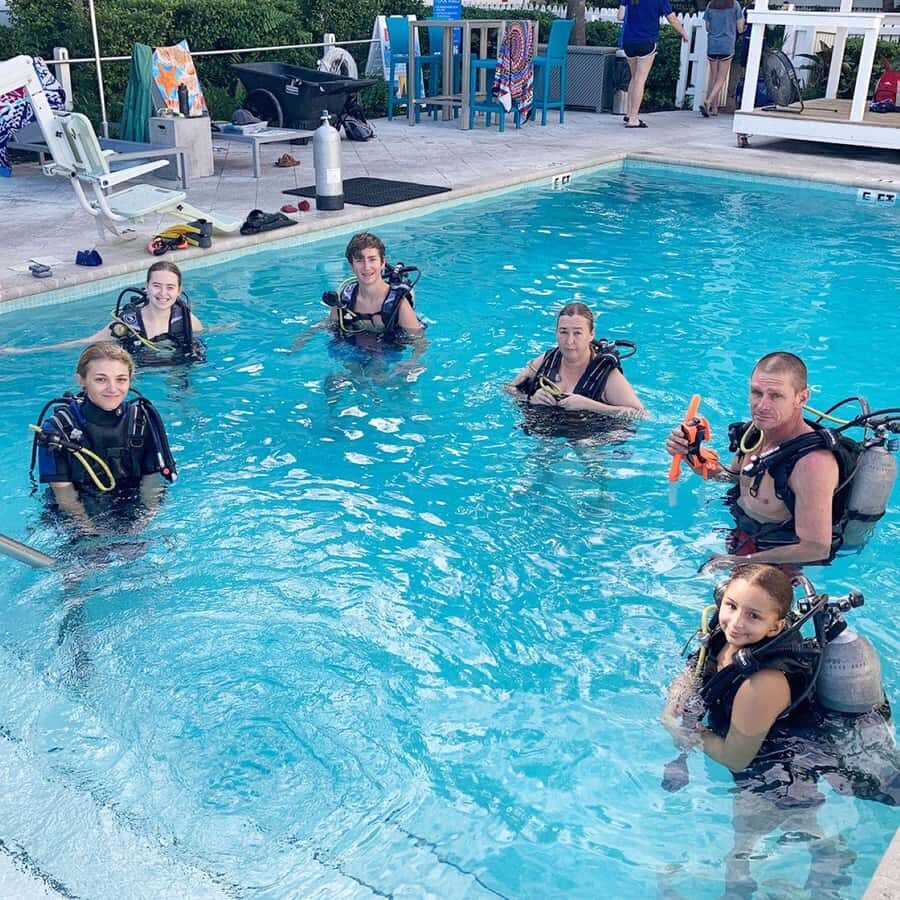
- Captain-selected reef location based on current and sea state for better visibility
- Two reef sites, two tank sessions with relaxing 25–35 ft depths
- Beginner-friendly setup with hour-long underwater time at each location
- Family option: snorkelers and riders can join, while divers focus on reef time
- All gear included plus optional add-ons if you want extra comfort or tech
- Named reef spots like Mark 32 Fingers and Nine Foot Stake that attract fish
Why this Florida Keys reef scuba afternoon is such a good value
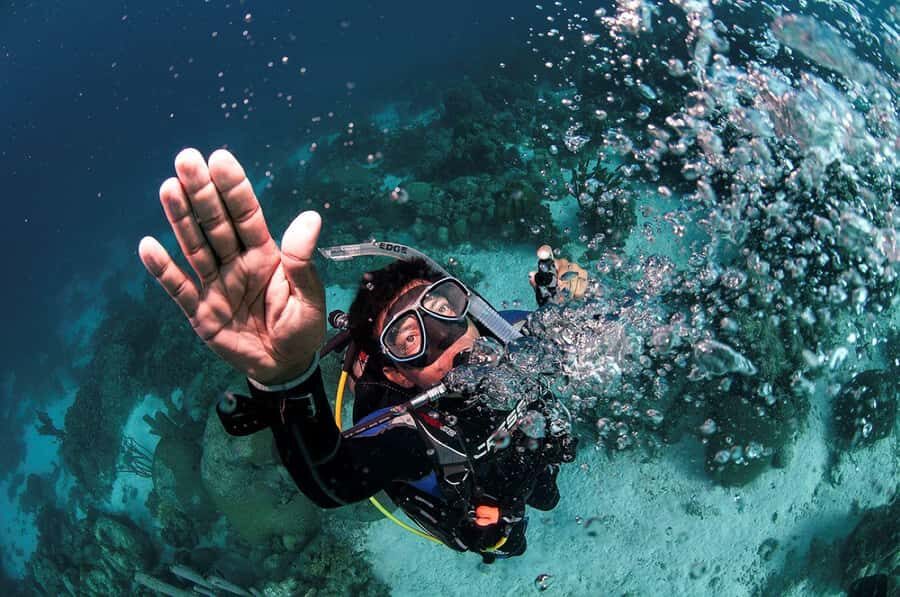
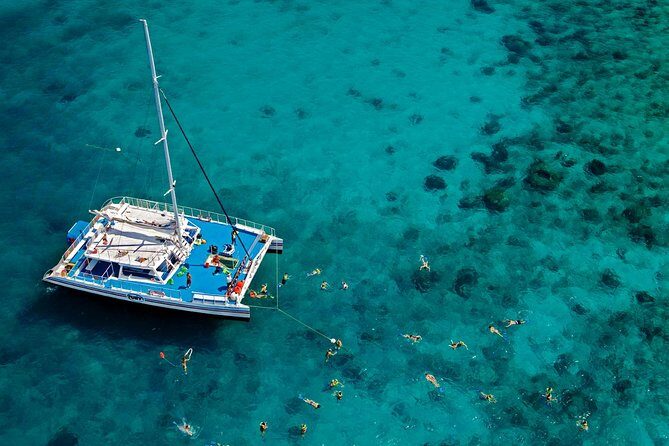
The Florida Keys are famous for coral structure and fish activity, and this trip is designed around one simple idea: give you real time on the reef without turning it into a complicated ordeal. The water work is two reef sites on the world’s third largest living coral barrier reef system. That’s a big claim—but the practical payoff for you is the shallow depth range and relaxed schedule.
The price is $124 per person, and what makes it feel like a fair deal is that it includes the big-ticket items: 2 tank reef sessions and all gear. On a lot of outings, you end up paying extra just to suit up and get the tanks. Here, you can budget for the essentials and only add extras if you want them.
Also, the captain doesn’t just pick a random dot on a map. The plan is to choose the actual reef location based on current conditions and sea state, with the goal of getting you the best visibility and comfort. That’s not a small detail—it’s often the difference between clear, enjoyable underwater time and a “we were bouncing around all afternoon” experience.
The reef depth targets—25–35 ft—keep the day friendly. You’re not doing long technical profiles or chasing complexity. Most certified divers find this style of reef time comfortable, especially if you’re still getting used to how your body and breathing feel underwater.
Other scuba diving tours in Key West
Meeting at 606 Front St: what the morning of your afternoon usually feels like
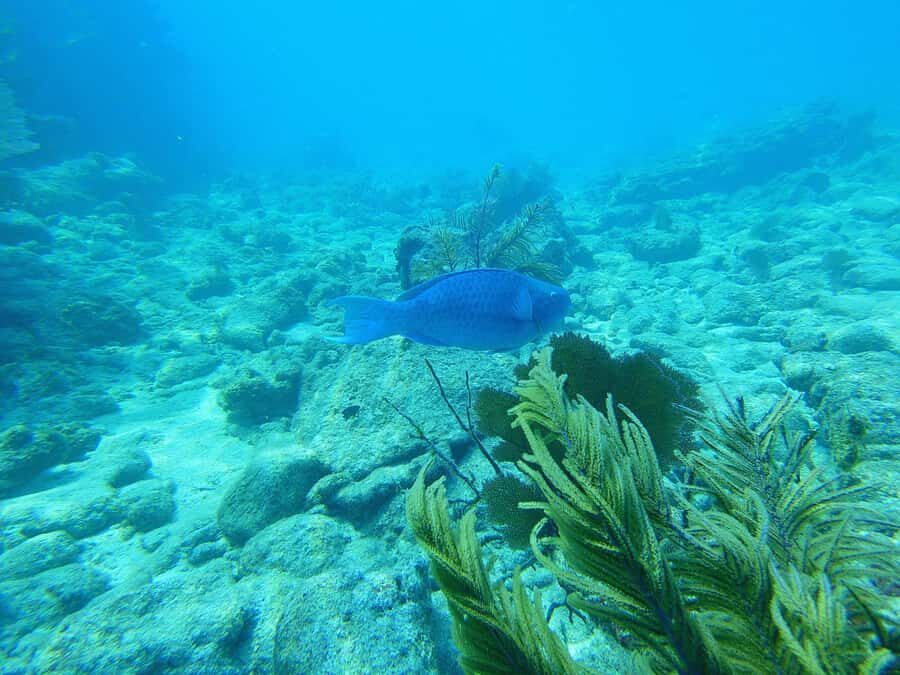
Your day starts at 606 Front St with the Southpoint Divers sign and the flags out front. That matters because you don’t want to waste precious vacation hours playing “where exactly are we meeting?”
From there, the flow is straightforward: you check in, get sorted with gear (which is included), and then you board the boat. The itinerary lists a Key West scuba portion of about 4 hours, and the total duration is 270 minutes. In real terms, you’re looking at an afternoon where most of your time is connected to getting out to the reef and then spending enough time at each site to actually enjoy it.
Because the captain selects the reef location based on conditions, you may not get the exact same route every day. That’s normal for this kind of offshore reef work. Think of it as the crew trying to trade guesswork for real-time reading of the ocean.
Two tank reef sessions: how the day stays relaxed without feeling rushed
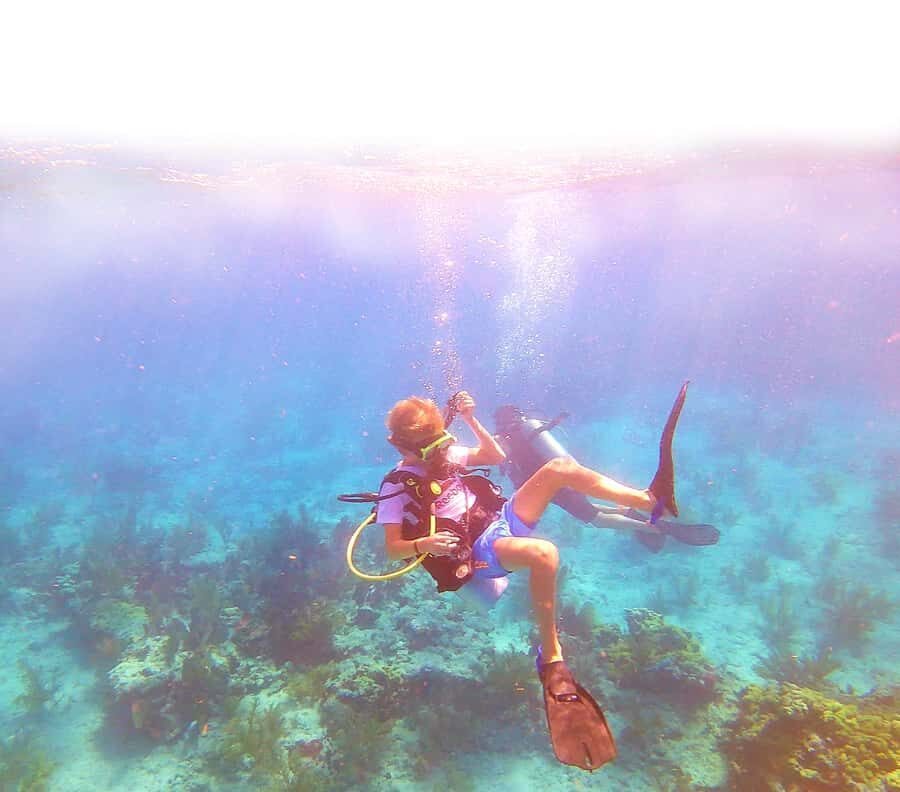
This is a two tank outing, meaning you get two separate reef sites rather than one long stop. Each location is set up for about an hour of underwater time, typically at 25–35 ft. For many divers, that’s a sweet spot: enough time to see fish activity and reef structure, but not so long that the whole day becomes exhausting.
You’ll likely get a safety briefing and then a guided approach might be available. The important detail is this: most certified divers are comfortable at these depths and time lengths, and a guided format can be offered. If you want extra help, there’s an optional guide fee ($45.00). If you’re new-ish to independent diving after your Open Water certification, that option can be money well spent—especially if you’d rather focus on buoyancy and calm thinking than trying to manage everything on your own.
One highly praised aspect of this trip is that the crew communication feels strong in a smaller group setting. That matters because when you’re learning comfort skills underwater, small, clear guidance can help a lot. It can also reduce the mental noise that makes your first post-card outing feel harder than it should.
Between the two tank sessions, there’s usually a surface interval where you catch your breath, hydrate, and reset your mind. Bring snacks, because you’ll burn energy just getting ready, suiting up, and working your breathing underwater.
Mark 32 Fingers and Nine Foot Stake: reef structure that helps new divers feel at home
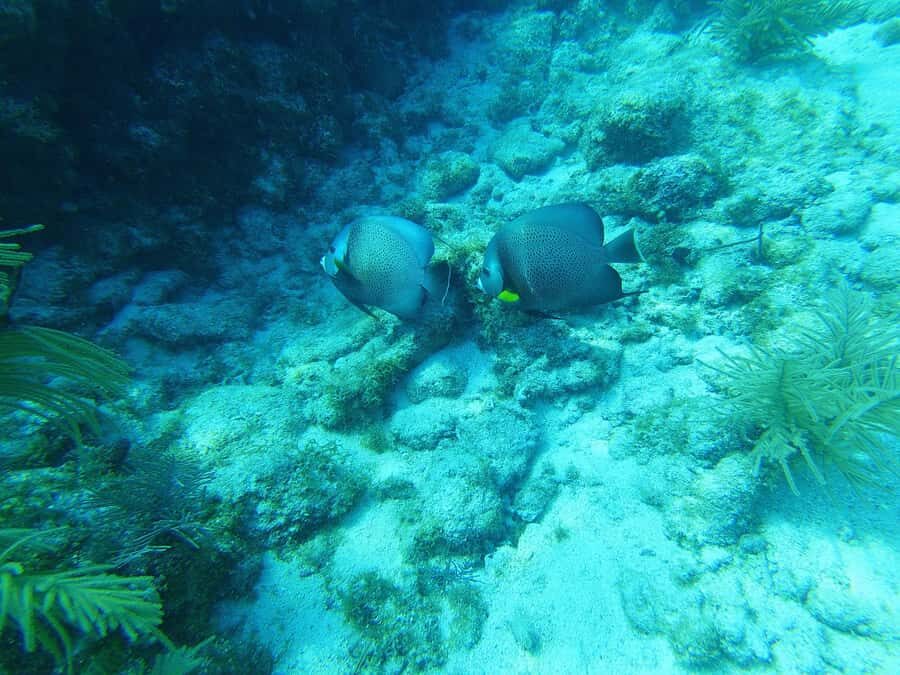
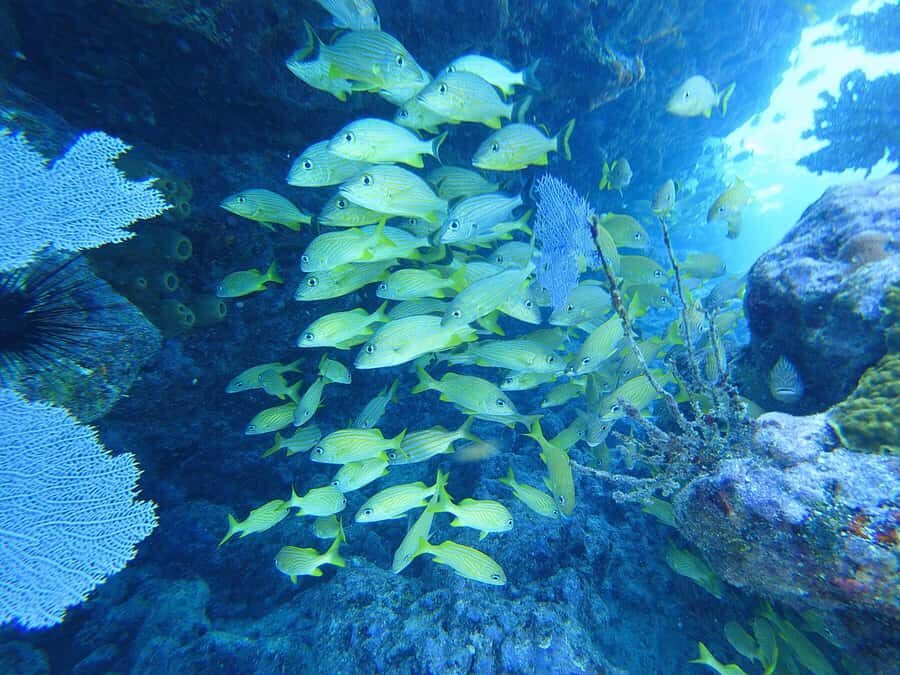
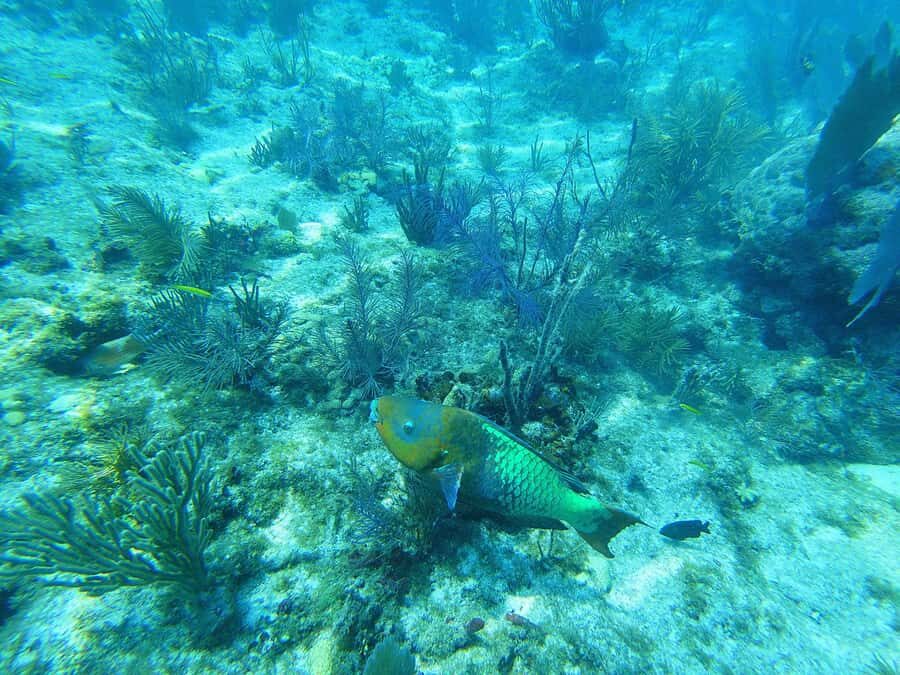
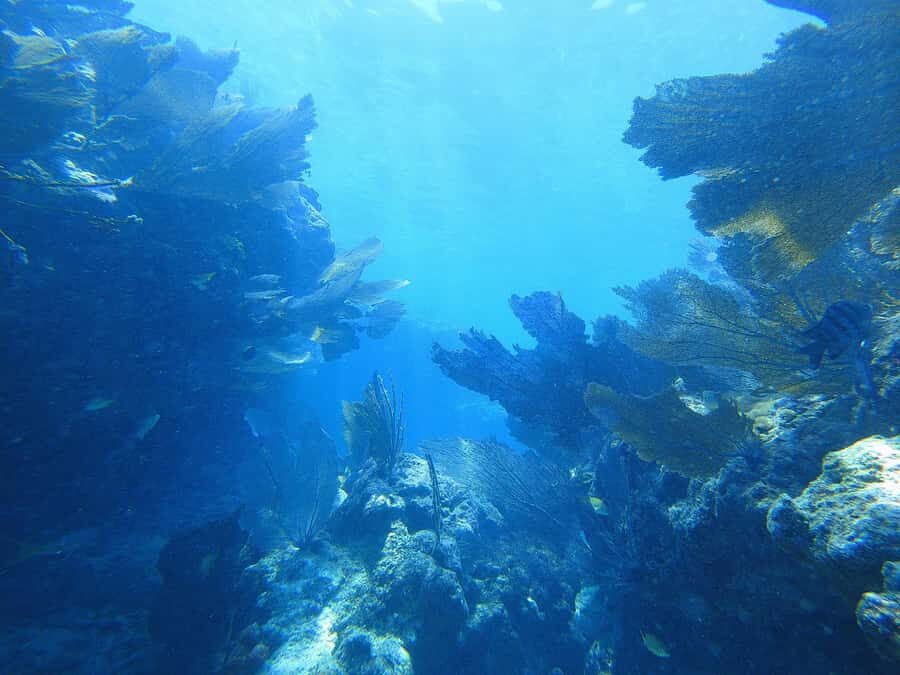
The reef locations mentioned for this outing include Mark 32 Fingers and Nine Foot Stake. Even without getting technical, these names hint at what you’ll appreciate underwater: built-in structure. Fish love structure because it gives them places to hide, graze, and move. For you, that structure translates into good viewing opportunities—especially when you’re working on comfort and awareness rather than hunting wildlife.
Mark 32 Fingers suggests multiple finger-like reef formations. That kind of layout often gives you varied viewpoints even if the depth stays in the same range. You can move your attention from one section to another without having to venture deep into unknown territory.
Nine Foot Stake is the other named spot. The name makes it sound like a defined vertical feature—something that can create a clear focal point for your eyes while you swim slowly. When you’re building confidence, having a visible “anchor” in the environment can help. It gives you something stable to compare your buoyancy against.
A useful tip for first-timers after certification: don’t try to do everything at once. Let your plan be simple. Stay within your comfort range, control your breathing, and treat the reef like a slow-moving classroom. The best part of these shallower outings is that you can focus on skills without the pressure of deep cold or long exposure.
Captain-picked visibility: why conditions matter more than you think
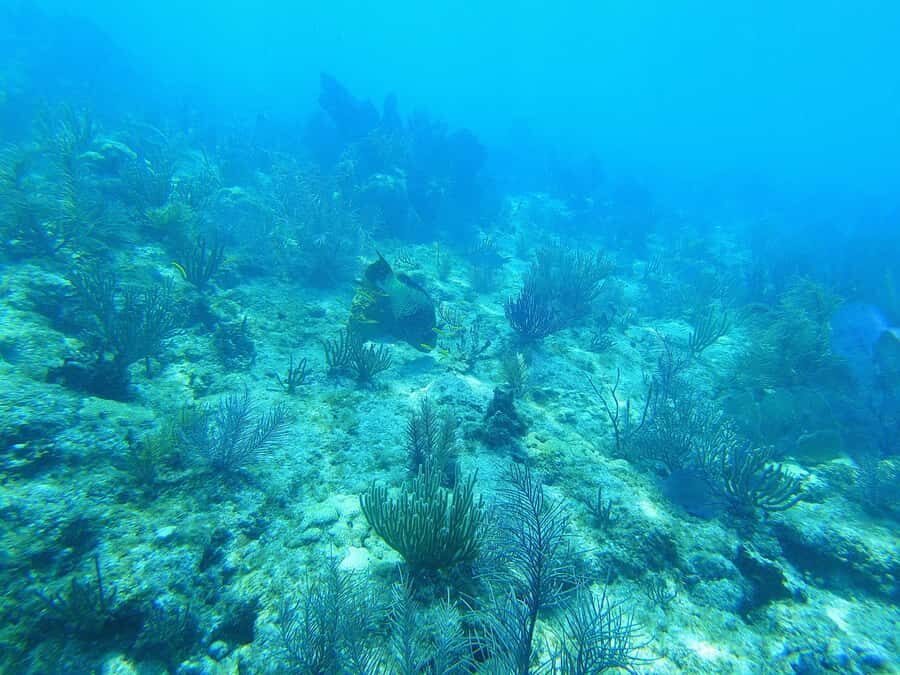
One of the most practical parts of this trip is that the captain chooses where you go each day based on current conditions and sea state, aiming for the best visibility. That means your experience is less dependent on luck.
Here’s the truth about reef afternoons: underwater conditions often start above the surface. If the boat ride is rough, you’ll feel it in your body. If the water is stirred up, you’ll lose clarity. By using real-time conditions to pick the location, the captain reduces the odds of getting stuck in a less-than-ideal area.
For divers, this can also make the day more manageable. A calmer sea makes for easier entries and exits, and it makes it less likely you’ll spend your effort fighting the boat instead of enjoying reef life.




Snorkelers and riders are welcome: how to plan a family reef day
This outing is designed so the whole group can go. Snorkelers and riders are welcome, which is great if you want the ocean experience without everyone being in the water as a scuba diver.
The main thing you should do is confirm what’s included for snorkelers. The activity lists all gear included, but it doesn’t spell out whether snorkel gear is included for non-divers. If you’re bringing a snorkeler, ask ahead so nobody shows up with just enthusiasm and no mask.
If you’re traveling with riders (people who want to be on the boat but won’t snorkel), the trip still works well as a shared outing. You get ocean time together, and divers get their structured underwater sessions.
If you’re planning for kids or mixed experience levels, this is a better match than more intense technical trips—because the water work is shallow and the schedule is simple: two reef locations with about an hour at each site.
What’s included, what’s optional, and how to avoid surprise costs
Here’s the core value: the price includes 2 tank reef scuba sessions and all gear. That’s the foundation of your budget.
Optional add-ons listed:
- Guide optional: $45.00
- Wetsuit optional: $15.00
- Underwater computer optional: $15.00
Those optional items can be helpful, but you should decide based on your comfort level.
If you’re still polishing your skills after Open Water certification, the guide option can reduce stress. If you run cold easily, a wetsuit rental can be a big comfort upgrade—especially because you’ll be on the water for hours. And if you like extra planning and record-keeping, an underwater computer option can be worth it.
One more practical note: don’t forget sunscreen. The trip specifically calls for biodegradable sunscreen, and it’s a good rule for reef environments. Put it on before you start, and reapply as needed during the surface portions.
Gear and what to bring: the list that actually matters
The “bring” list is short and useful. Bring:
- Hat
- Swimwear
- Towel
- Snacks
- Sunscreen (preferably biodegradable sunscreen)
This is the kind of outing where you’ll feel better if you treat the surface portions seriously. Sun + salt air can sneak up on you, and a snack helps you stay steady between tanks.
If you’re considering a wetsuit, remember that it’s optional and costs extra. Many people decide based on comfort and how they personally react to cool water.
Also, think about how you’ll handle your hands and gear: even though the trip is relaxed, you’ll be changing and managing equipment. The easier you make it on yourself, the more energy you have for the reef.
Rules you’ll respect right away: no touching marine life
This trip’s rules are clear, and they’re the kind you should follow anywhere in a coral environment:
- No touching marine life
- No touching plants
That’s not just about “being polite.” It’s also about reef survival and your own safety. Coral and marine life can be fragile, and you don’t want accidental contact to ruin your visibility or your gear.
Inside the water, keep your hands to yourself. Use slow movement and good buoyancy instead of grabbing for a better view. The reef will come to you if you give it a chance.
Who should book this Key West reef tank afternoon—and who should skip it
This is a strong match for:
- Certified divers who want an easy, shallow, two-reef outing
- People who are comfortable with 25–35 ft depths and about an hour at each site
- Families who want to bring snorkelers and riders too
- Divers who like the idea of a captain choosing based on visibility and sea state
It’s not a fit for:
- Non-swimmers
- People who are not certified for scuba
- Anyone planning on touching reef life for better photos (not allowed)
A key requirement: all divers must be certified, and that’s not a “nice to have.” If you’re still in the early learning stage, consider doing your training first, then come back for a day like this where the focus can be on enjoying the reef rather than managing everything from scratch.
Price, time, and value: is $124 a fair deal?
For $124, you’re paying for a full afternoon built around reef time:
- Two tank sessions
- All gear included
- Shallow depth targets
- Time on a major reef system
- A captain who picks locations based on conditions
When value is good, it’s because the “extras” are limited. Here, you’re not automatically forced into paying for a bunch of add-ons to make the trip work.
Could you spend less elsewhere? Maybe. But if you add up typical costs for gear and tanks on many water activities, the included package can be the difference between an easy yes and a late surprise.
Also, the design is efficient: the schedule gives you two sites without stretching the day into something exhausting. That matters for vacation sanity.
Should you book Southpoint Divers for an afternoon reef scuba session?
If you want an afternoon that’s straightforward, shallow, and built around two reef locations, I’d say this is a smart booking—especially if you’re certified and you’d rather enjoy fish and reef structure than chase complexity. The captain’s decision-making based on current and sea state is a real quality lever, and the optional guide can help you feel more confident if you’re still new to independent diving.
Book it if:
- you’re comfortable at 25–35 ft
- you want two reef sites with about an hour at each
- you like the idea of a crew aiming for better visibility
- your group includes snorkelers or riders
Skip it if:
- you’re not certified
- you don’t swim
- you want a highly customized route every time, because the captain selects the actual reef based on conditions
If you go, bring the basics (hat, towel, snacks, sunscreen), keep your hands off the reef, and let the schedule do its job. This trip is at its best when you treat it like an easy, fish-friendly reef outing—one that helps you build confidence without burning your whole day.
FAQ
Where do I meet for the Southpoint Divers afternoon trip?
You’ll meet at 606 Front St, with the Southpoint Divers sign and flags out front.
How much does the trip cost?
The price is $124 per person.
How long is the activity?
The total duration is 270 minutes (about 4.5 hours).
What’s included in the price?
It includes 2 tank reef scuba sessions and all gear. The trip is described as easy and focused on shallow depths.
How deep are the reef sessions?
The water sessions are typically 25–35 ft.
Do I need certification to join?
Yes. All divers must have basic Open Water certification to join.
Can snorkelers and riders join the trip?
Yes. Snorkelers and riders are welcome to join along with the divers.
Is a guide included?
A guide is optional for $45.00.
What optional items can I add?
Optional add-ons listed are:
- Wetsuit rental for $15.00
- Underwater computer for $15.00
What should I bring and what is not allowed?
Bring hat, swimwear, towel, snacks, sunscreen (biodegradable sunscreen recommended). Not allowed: touching marine life or touching plants.