REVIEW · KEY WEST
Sails to Rails Museum Admission
Book on Viator →Operated by Historic Tours Of America · Bookable on Viator
A quick museum stop can still tell a big story. Sails to Rails Museum at Flagler Station runs from the Age of Sail to the railroad era, and I like that it’s a compact way to grasp how Key West changed over centuries. I also love that you can step inside the Maggie Atwell House, the only remaining wooden structure built by the FEC. One drawback to plan around: the experience is self-paced, so if you want a full guided narrative, you’ll need to bring your curiosity and set your own pace.
What makes this place especially useful is the subject matter. You’ll connect tall ships, Caribbean trade, and the people who built the ocean-spanning rail dream—without needing a whole day. It’s set up for all ages, and the museum format makes it a smart pick when you want a break from the sun (and still feel like you’re learning something real).
Logistically, it’s straightforward. You’ll get a mobile ticket, the experience is offered in English, and the group size is kept small (up to 14), which helps the visit stay low-stress. Most people can participate, and service animals are allowed, too.
In This Review
- Key points to know before you go
- Flagler Station and the Age of Sail opening act
- From sails to rails: how the museum compresses centuries
- The Maggie Atwell House: wooden history you can actually see inside
- Ocean-rail builders: why the museum’s rail chapter feels human
- How long to plan, and how to pace a self-guided visit
- Price check: $10.75 and why it’s reasonable value
- Who should book this Sails to Rails admission?
- Should you book Sails to Rails Museum admission?
- FAQ
- How much does admission cost for Sails to Rails Museum?
- Where is the museum admission located?
- How long does the visit take?
- Is the ticket mobile?
- Is the experience offered in English?
- What major highlights can I expect to see?
- Is admission included in the price?
- Is there a group size limit?
- Are service animals allowed?
- Can I cancel for a full refund?
Key points to know before you go
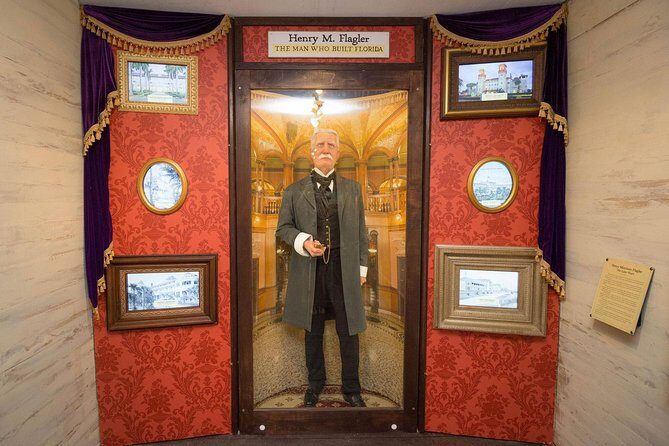
- Age-of-sail to rail timeline: one visit that spans major eras of Key West and Florida Keys history
- Maggie Atwell House interior access: see inside the only remaining wooden structure built by the FEC
- Ocean-rail story focus: learn about the men who built a railroad over the ocean
- All-ages friendly: a good choice for families and history fans of different ages
- Small group cap: a maximum of 14 travelers keeps things manageable
- Self-guided pacing: you can move at your speed and spend more time where you’re curious
Flagler Station and the Age of Sail opening act
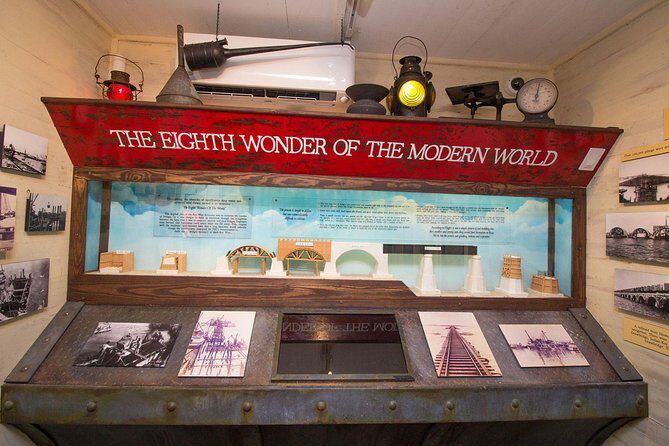
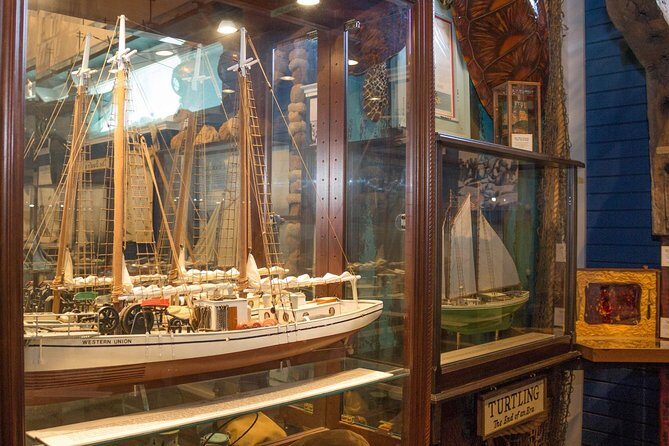
When you enter Sails to Rails at Flagler Station, you’re stepping into a theme that’s both local and wildly maritime. The story starts back in the 1500s, when ships crossed the Caribbean, the Gulf of Mexico, and the Florida Keys with real danger—and real money—on board.
This opening matters because it frames Key West in the larger world. Instead of treating the island as a postcard, the museum treats it like a working node in the trade routes: treasure-laden Spanish galleons, pirates, merchant ships, and the constant motion of maritime life. If you’ve ever wondered why Key West matters historically, this is one of the easiest ways to get your bearings fast—without needing multiple museum stops.
Practical note: since this is self-guided, don’t feel pressured to see everything in one “speed run.” I’d rather you spend a bit longer at the panels or displays that actually catch your eye, then move on when you feel satisfied. That pacing is how you get the most out of a 1-minute to 1-hour experience window.
Other Florida Keys day tours we've reviewed in Key West



From sails to rails: how the museum compresses centuries
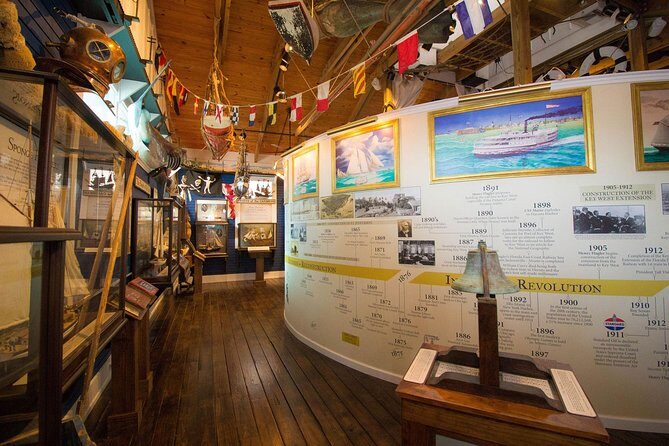
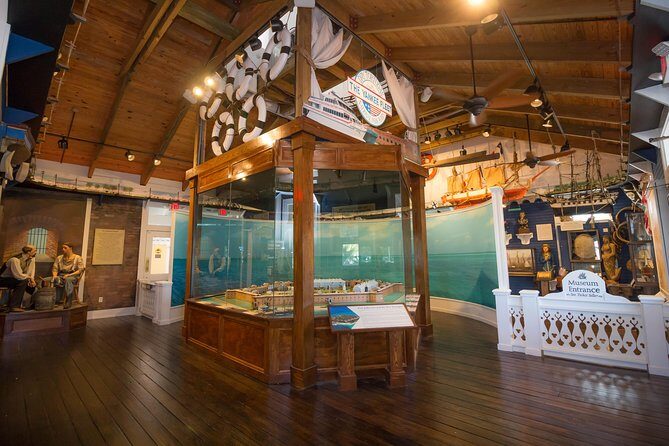
The museum’s big promise is coverage—from the 1500s through more recent times. That might sound broad, but the value here is that the eras connect. You’re not just reading about ships and then immediately switching to train facts. The museum builds a bridge between maritime trade and the way railroads opened up frontiers for an emerging nation.
I like this approach because it turns history into a cause-and-effect story. You can see how sea power, commerce, and mobility set the stage for the next leap: land-based connections that changed where people could go and how goods and ideas could move.
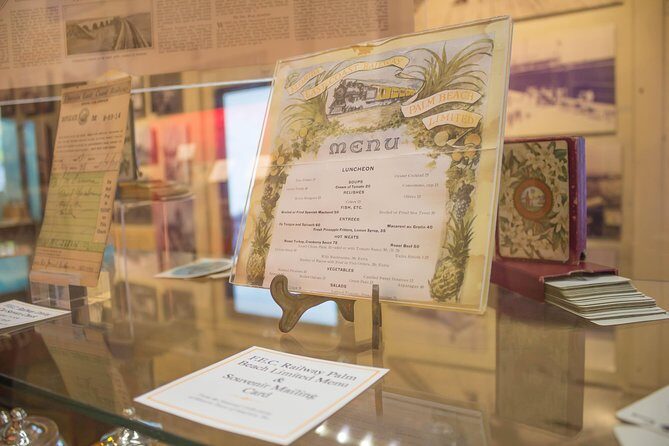
You’ll also notice that the museum is designed for different learning styles. Some people like the visual and artifact feel. Others prefer the text and timelines. Either way, self-guided format helps you control how fast you move—so you’re not forced to match someone else’s pace.
If you’re visiting Key West and trying to pick a single history stop, this is the kind of place that gives you an overall “map in your head.” It won’t replace deeper museums in each specific category—but it does a lot of connecting work for a short visit.
The Maggie Atwell House: wooden history you can actually see inside
One of the strongest reasons to choose this museum is the Maggie Atwell House. The museum doesn’t just point at the past; it lets you see inside, and it’s specifically noted as the only remaining wooden structure built by the FEC.
That’s a big deal for a few reasons. First, wooden structures are harder to preserve than many brick or stone buildings, so having one remaining gives you a physical reminder that this history wasn’t just names and dates. Second, the FEC connection helps tie Key West’s story to broader rail development—again returning to that sails-to-rails theme.
If you like architecture, this is likely the part you’ll remember longer than you expect. Even if you’re not an architecture superfan, stepping inside a surviving wooden house changes how you imagine the people who lived and worked around these systems.
Potential consideration: because the house is one highlight among many sections, you might not naturally spend enough time inside unless you plan for it. I’d treat the house as your anchor stop—arrive with the idea that you’ll circle back or spend a little extra time there if it grabs you.
Ocean-rail builders: why the museum’s rail chapter feels human
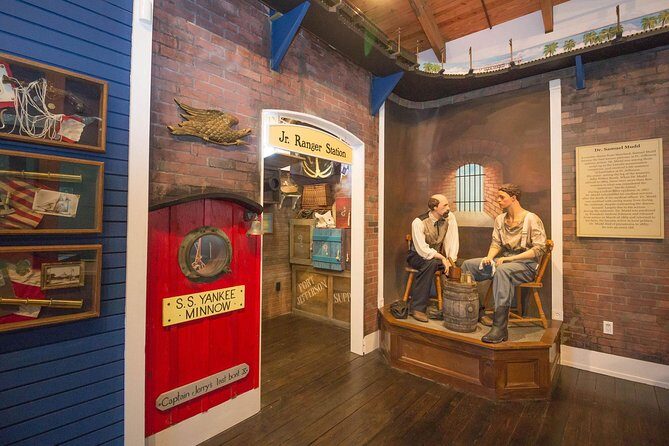
The rail portion isn’t framed as just machinery or tracks. It’s framed around the men who built a railroad over the ocean. That wording matters, because it shifts your focus from the idea of rail to the effort and risk involved in making it real.
In practice, this part helps you understand how bold projects reshape places. You can connect it to why Key West and nearby areas evolved the way they did: once travel and shipping routes change, daily life changes too—economically and socially.
I also think this human-centered angle keeps the rail story from feeling cold. If you’ve ever found rail history too technical, you’ll probably appreciate that this museum treats it as a story of people building against tough conditions.
This section is also a nice contrast to the maritime beginning. Ships face ocean unpredictability; rail over water faces its own version of challenges. Seeing both eras in one visit helps the museum feel like one continuous narrative instead of unrelated exhibits.
How long to plan, and how to pace a self-guided visit
The experience length is listed as about 1 minute to 1 hour, which is a huge range. That’s a clue: you can make this a quick “grab your bearings” stop or a more deliberate visit if you slow down.
Here’s my practical advice:
- If you’re short on time, aim for the top storyline: Age of Sail overview first, then jump to the Maggie Atwell House, then finish with the rail-over-ocean chapter.
- If you have a little more time, linger longer in the areas that connect the two eras. That’s where the museum earns its value.
Because it’s self guided, you aren’t tethered to a group schedule. That’s great for families, too—kids can move at their own speed, and adults can zoom in on details without waiting for everyone.
One possible drawback is also the nature of self-guided museums: if you don’t like reading or looking closely at exhibits, you might feel done faster than you hoped. The fix is simple—go with a plan, even if it’s just a mental list: sails, wooden house, then ocean rail.
Other museums and attractions we've reviewed in Key West




Price check: $10.75 and why it’s reasonable value
At $10.75 per person, the admission price feels fair for the amount of history you get in a short window. The main value isn’t just that the museum is “cheap.” It’s that you’re paying for a concentrated understanding of how Key West connects to wider Gulf and Caribbean maritime life and then to major rail development.
I’d call it a smart use of limited vacation time. If you’re deciding between multiple small stops, this one acts like a history primer. You come away with a clearer sense of why Key West developed the way it did—starting with sea routes and ending with that big ocean-rail ambition.
Also, admission is included, so you’re not piecing together multiple add-ons. That makes budgeting simpler, especially for families.
What you should consider is the time trade-off. If you’re only in Key West for a very brief window—like a single half-day—this still works, but you may want to pair it with something else that’s more hands-on or outdoors so the overall day feels balanced.
Who should book this Sails to Rails admission?

This is a strong fit if you want:
- All-ages friendly history you can take at your own pace
- A short indoor break where you’ll still learn something meaningful
- A museum stop that ties together maritime and rail history instead of treating them separately
It’s also a good choice if you prefer smaller group experiences. With a maximum of 14 travelers, the visit feels more like a manageable activity than a big production.
I’d be cautious if you’re looking for a highly guided, lecture-style tour. The setup is self directed, and the experience is structured around you exploring the exhibits and house spaces on your own. If that’s not your style, you might enjoy a different format.
Should you book Sails to Rails Museum admission?
If you like history that connects ideas—sea trade leading to rail-era change—then yes, you should book this. For the price of $10.75, you get a compact overview of Key West and Florida Keys history spanning centuries, plus the standout chance to see the Maggie Atwell House inside.
Book it when you want a smart indoor stop that still feels substantive, especially if you’re traveling with kids or a mixed-age group. Skip it only if you strongly prefer guided tours and would feel lost without one.
FAQ
How much does admission cost for Sails to Rails Museum?
Admission is $10.75 per person.
Where is the museum admission located?
The admission is for Sails to Rails Museum at Flagler Station in Key West.
How long does the visit take?
It’s listed as about 1 minute to 1 hour, approximately.
Is the ticket mobile?
Yes. The admission uses a mobile ticket.
Is the experience offered in English?
Yes, it is offered in English.
What major highlights can I expect to see?
You’ll explore history from the 1500s to the present day, see inside the Maggie Atwell House, learn about men who built a railroad over the ocean, and experience a format suitable for all ages.
Is admission included in the price?
Yes. Admission is included.
Is there a group size limit?
Yes. The maximum is 14 travelers.
Are service animals allowed?
Yes, service animals are allowed.
Can I cancel for a full refund?
You can cancel up to 24 hours in advance for a full refund.