REVIEW · KEY WEST
Key West Shipwreck Treasure Museum Admission
Book on Viator →Operated by Historic Tours Of America · Bookable on Viator
Shipwreck treasure sounds like a gimmick, then isn’t. I like the two floors of shipwreck artifacts and the 65-foot lookout tower that’s included with your ticket. You’ll get Key West’s wrecking story in a format that’s part museum, part performance, and part hands-on challenge.
I also love the museum’s mix of media and artifacts: there’s a below-sea-level theater and even actual underwater footage to help you picture what was recovered and how. And you’ll hear period storytelling as you go, which makes the salvage industry feel less like a lecture and more like a lived job.
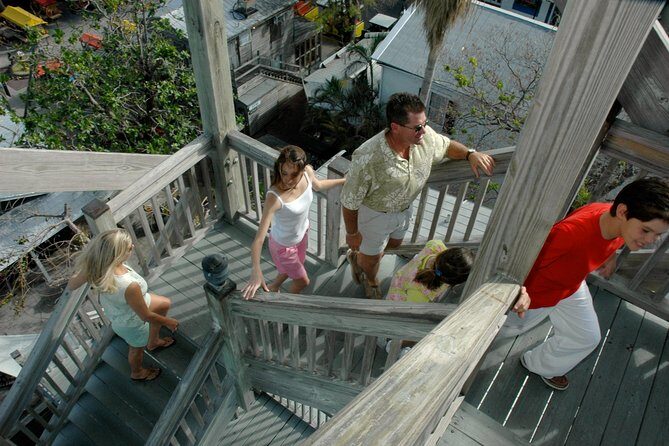
One consideration: this is not a low-stairs experience. Plan for walking, steep steps, and lots of climbing if you want the full view from the tower.
In This Review
- Key West Shipwreck Treasure Museum: Key Highlights You’ll Actually Use
- Shipwrecks Made Key West a Money-Machine
- Two Floors of Artifacts—and a Tower That Changes the Whole Visit
- The Museum’s Main Story: Isaac Allerton (1856) and Wreck Recovery as a Job
- Spanish Fleets and Treasure Ships: 1600s to 1700s Artifacts
- Below-Sea Theater, Video Presentations, and Underwater Footage
- Period Storytelling Adds Texture (and Helps the Facts Stick)
- The Stairs and Lighting Reality Check
- The Included One-Hour Key West Tour: Get Oriented While You’re Here
- Price and Value: What $19.34 Really Gets You
- Who This Museum Is Best For (and Who Should Rethink)
- Booking Timing: Plan for When It Fills Up
- Should You Book the Key West Shipwreck Treasure Museum?
- FAQ
- How much is the Key West Shipwreck Treasure Museum?
- How long does the experience take?
- Where is this experience located?
- Is the ticket mobile?
- What language is the experience offered in?
- What main shipwreck does the museum focus on?
- Do I get to go up the lookout tower?
- Is there a hands-on activity?
- Is free cancellation available?
- Is the venue easy to reach without a car?
Key West Shipwreck Treasure Museum: Key Highlights You’ll Actually Use
- Isaac Allerton (1856) artifacts anchor the museum’s main wrecking story in Key West
- Spanish fleet treasures include pieces tied to the 1600s and 1700s wrecks
- The silver bar challenge lets you try lifting a bar salvaged from a 1656 Spanish treasure ship
- Below-sea-level theater + underwater footage give you visuals for how wreck recovery worked
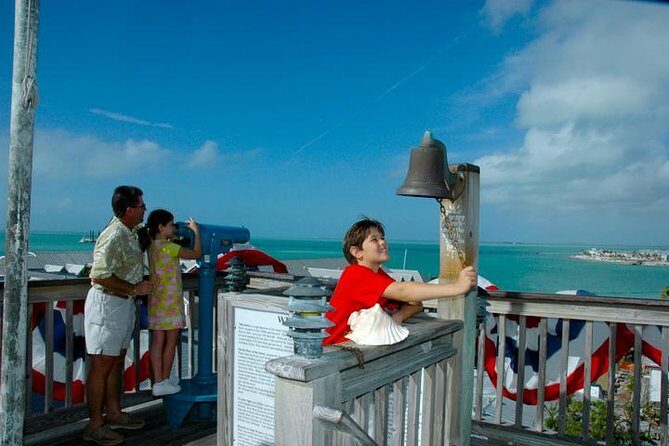
- 65-foot lookout tower included—you get city views without paying extra
Shipwrecks Made Key West a Money-Machine
Key West’s shipwreck era is one of those local stories that sounds almost too wild until you see how it worked. When ships crossed the Florida Straits, dangerous reefs and rough conditions meant wrecks were common. Salvage wasn’t just a dramatic side plot. It became a whole industry.
By the mid-1850s, Key West had become the richest city in the United States largely because wreckers could recover ships’ cargo and sometimes even rescue crews and passengers. That’s what you’ll be learning here: how disaster at sea turned into livelihoods on land.
The museum’s strength is that it keeps the focus on the work itself—wrecking as a profession. You’ll see artifacts from different periods and learn how people salvaged valuable cargo even without today’s underwater gear.
Other museums and attractions we've reviewed in Key West



Two Floors of Artifacts—and a Tower That Changes the Whole Visit
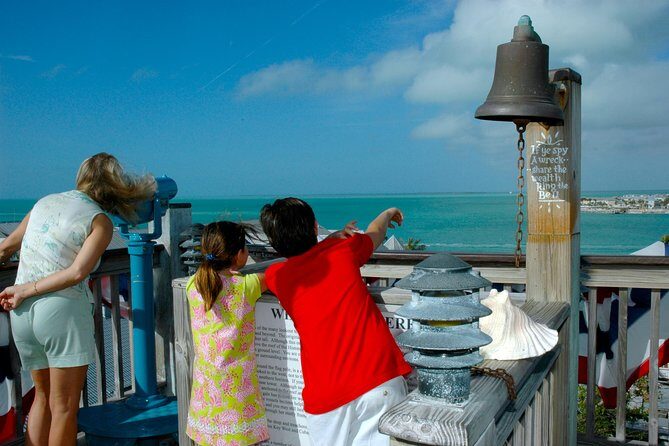
The museum experience is built so it doesn’t drag. You start at the heart of the shipwreck story and then move through multiple levels of artifacts and displays. It’s laid out to keep your attention moving forward, and the tower gives you a built-in payoff.
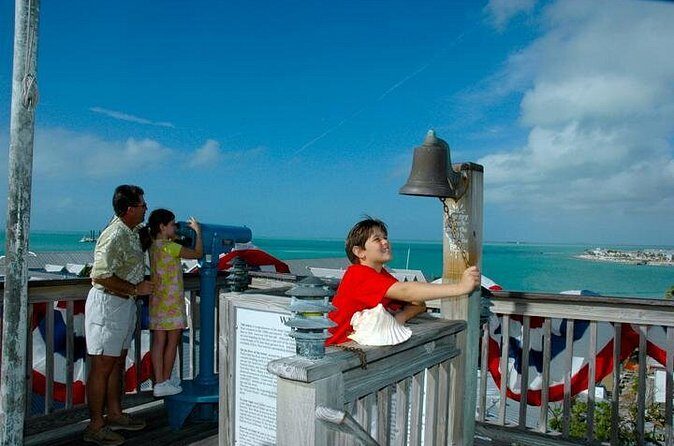
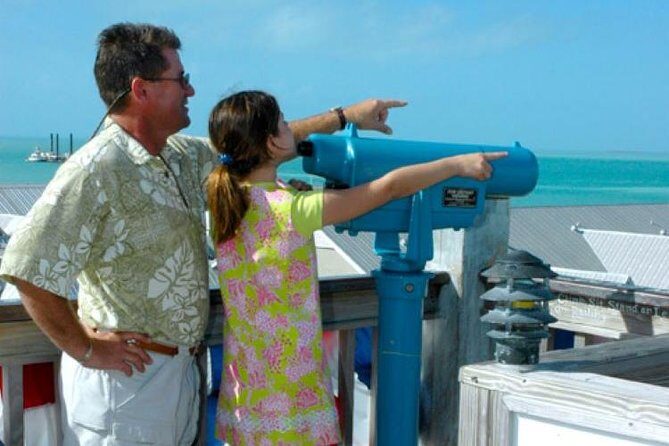
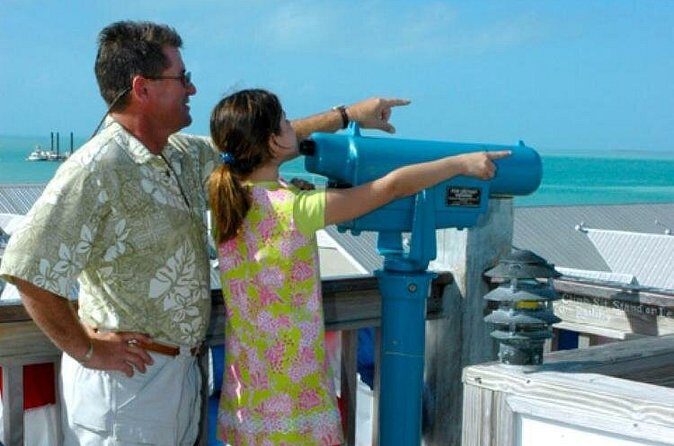
The 65-foot lookout tower is the moment most people remember. It’s included with admission, and it’s a straightforward reason to stay engaged: the climb feels like it has a goal. Once you’re up there, the city view also helps you understand why wreckers cared so much about where they were working.
If you’re planning your day in Key West, this is a good activity to pair with other town sightseeing. It sits in the middle of the island experience—history inside, views outside.
The Museum’s Main Story: Isaac Allerton (1856) and Wreck Recovery as a Job
Your visit begins with the year 1856, tied to the sinking of the Isaac Allerton—presented as one of the richest wrecks in Key West history. A large portion of the museum’s collection is linked to that wreck, so the story has a central spine instead of feeling scattered across unrelated ships.
You’ll spend time looking at ship remnants and recovered objects while getting a sense of what it meant to work in this industry. The museum frames wrecking as hard, risky labor with rewards for the people who could get to the wreck and bring valuable cargo to shore.
This is where the museum gives you a useful takeaway: wreck recovery wasn’t a single event. It was a chain of tasks—finding the wreck, working the salvage, and turning recovered goods into profit. The exhibits and media make that chain feel real.
Spanish Fleets and Treasure Ships: 1600s to 1700s Artifacts
The museum doesn’t stop with 1856. It also highlights wrecks connected to the Spanish fleets of the 1600s and 1700s, showing how long Key West’s wrecking economy lasted.
One of the most memorable parts is the focus on treasure ships. You’ll see artifacts tied to the broader Spanish maritime routes and how cargo losses became opportunities for recovery. And yes, there’s a hands-on moment that ties directly to this theme: you can try to lift the silver bar salvaged from a Spanish treasure ship from 1656.
That challenge isn’t just for fun. It’s a quick way to make you think about weight, effort, and the physical reality of salvage. In other words, it turns “history” into something your muscles can understand.
Below-Sea Theater, Video Presentations, and Underwater Footage
If you want visuals, this museum gives them to you. There are audio/visual presentations, including a below-sea-level theater that looks at Key West’s past and how people risked their lives to recover remains of shipwrecks.
You’ll also find video presentations and actual underwater footage. That matters because wreck recovery is hard to picture from a normal museum caption. The footage helps you connect the artifacts on the walls to the actual environment they came from.
This mix of media and objects is especially helpful if you’re not a “read every label” visitor. You can still get the big story without needing to study every detail.
Other museum experiences in Key West



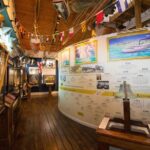

Period Storytelling Adds Texture (and Helps the Facts Stick)
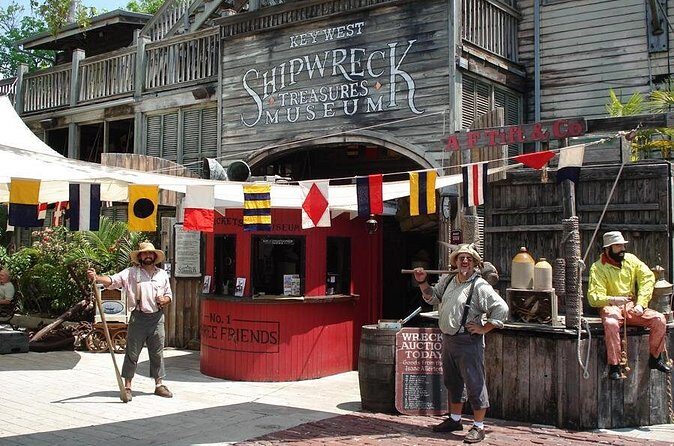
As you move through the museum, you’ll encounter storytellers in period costume who add context to the displays. This is one of the ways the experience stays lively and less like a warehouse of artifacts.
It also helps the museum’s big themes land:
- why wrecking became a profession
- what it meant to work without modern underwater equipment
- how people tried to salvage value after a ship went down
Even if you don’t catch every single detail (English is the language offered), the tone makes the history easier to follow. You’ll come away with a clearer mental picture of how Key West’s economy was tied to what happened offshore.
The Stairs and Lighting Reality Check
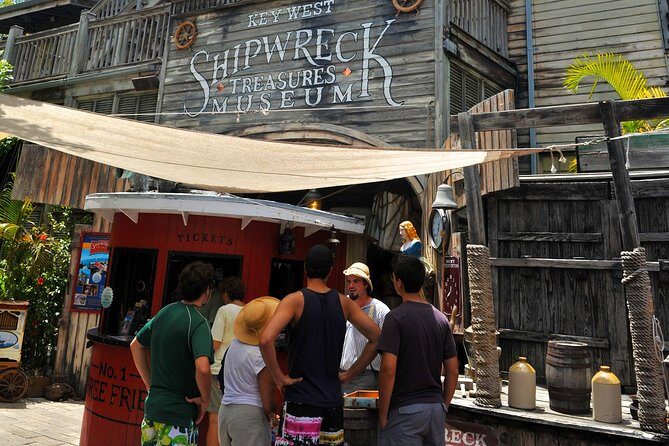
This is a practical heads-up. The museum involves plenty of movement, and the tower climb means you’ll be working your way up and back down stairs.
Some areas can feel dark when you first enter, and there are steep steps in parts of the experience. If you’re traveling with seniors, anyone with mobility limits, or anyone who gets uncomfortable with height and stairs, plan a visit route that includes what you care about most—especially the tower—without overcommitting.
The good news: the tower is included at no extra cost, so it’s easy to target your time. The trick is knowing that you’ll earn that view with your legs.
The Included One-Hour Key West Tour: Get Oriented While You’re Here
Your booking includes an additional one-hour Key West experience offered by Historic Tours of America, with admission included. You don’t need to plan separately or hunt for another short activity slot.
Even with limited details about what the route covers, a one-hour orientation-style tour is a solid add-on to a museum visit. It helps connect what you learned indoors—Key West’s maritime past—to the streets and neighborhoods around you.
Think of it as the “put it on the map” part of the day.
Price and Value: What $19.34 Really Gets You
At about $19.34 per person, the big question is whether you’ll feel shortchanged by time. The experience is listed at roughly 2 hours overall, but the museum portion alone runs about 1 hour 30 minutes, with the added one-hour Key West component in the same booking.
So you’re not paying for a quick stop. You’re paying for:
- two floors of shipwreck artifacts
- hands-on moments like the silver bar lift
- media like the below-sea theater and underwater footage
- a tower view that doesn’t cost extra
- an additional short Key West tour component
For many visitors, this price point lands because you can’t easily replicate the mix elsewhere: shipwreck-focused museum + tower views + short Key West context in a compact window. If you’re in town for a limited number of hours, it’s a practical way to get maritime history without losing an entire day.
Who This Museum Is Best For (and Who Should Rethink)
This works especially well if you like:
- shipwreck salvage stories
- maritime history tied to real places (Key West reefs, Florida Straits)
- museum experiences with hands-on moments and visuals
- viewpoints that don’t require extra tickets
It can feel less ideal if you want a long, slow museum day with lots of quiet space. This is more “structured visit” than “wandering for hours.” If you also dislike stairs or need elevators, you’ll want to think ahead.
Also, the experience is offered in English, so English-speaking visitors will get the most out of the period storytelling and presentations.
Booking Timing: Plan for When It Fills Up
This experience is commonly booked about 17 days in advance. That’s a good sign that time slots can move, especially in busier weeks.
If you want to avoid standing around at the ticket desk, prebooking is the smarter move. You’ll also receive confirmation at the time of booking and can use a mobile ticket.
Should You Book the Key West Shipwreck Treasure Museum?
I’d book it if you want a compact, memorable Key West history stop that includes a real payoff view. The Isaac Allerton focus, the Spanish fleet artifacts, the hands-on silver bar moment, and the below-sea-level theater make the museum more active than most “walk-and-read” attractions. Add the included 65-foot tower and you’ve got a visit that feels like more than the sum of its parts.
I’d hesitate only if stairs are a dealbreaker or if you’re hoping for a long, leisurely museum day. In that case, you may want to pick your highlights carefully or choose a different type of attraction.
If you’re visiting Key West for the first time—or you just want one strong afternoon with maritime flavor—this is a solid pick.
FAQ
How much is the Key West Shipwreck Treasure Museum?
The admission price is $19.34 per person.
How long does the experience take?
The duration is listed as about 2 hours, with the museum portion taking about 1 hour 30 minutes.
Where is this experience located?
It’s in Key West, USA.
Is the ticket mobile?
Yes, you’ll receive a mobile ticket.
What language is the experience offered in?
The experience is offered in English.
What main shipwreck does the museum focus on?
A large collection is tied to the 1856 sinking of the Isaac Allerton.
Do I get to go up the lookout tower?
Yes. The 65-foot lookout tower is included with your admission at no extra cost.
Is there a hands-on activity?
Yes. You can try lifting the silver bar that was salvaged from a Spanish treasure ship from 1656.
Is free cancellation available?
Yes. You can cancel for a full refund up to 24 hours before the experience starts.
Is the venue easy to reach without a car?
It’s listed as near public transportation, and service animals are allowed.