REVIEW · KEY WEST
Skip the Line: Mel Fisher Maritime Museum Admission Ticket and Audio Tour
Book on Viator →Operated by Mel Fisher Maritime Museum · Bookable on Viator
Shipwreck treasure has a second act.
At the Mel Fisher Maritime Museum in Key West, you’ll find hard-won artifacts paired with stories that don’t shy away from the darker parts of maritime trade. I like the way the experience blends big discoveries (Spanish galleons, coins, shipwreck finds) with context you can actually follow, thanks to the included audio guide.
Two things I’m especially glad you get here: a skip-the-line style admission with a mobile ticket, and an English audio tour that helps you move through the history at your pace. One consideration: the museum covers the transatlantic slave trade and the exhibits connected to it are intentionally serious, so it may feel heavy if you’re traveling with very young kids or prefer lighter museum themes.
In This Review
- Key highlights you can plan around
- Skip-the-Line Entry and the Self-Paced Audio Tour in Key West
- What Makes Mel Fisher’s Museum Story Worth Following
- Atocha Galleries: Spanish Treasure Galleons and Real-World Clues
- Henrietta Marie: A Slave Ship Exhibit That Doesn’t Soft-Pedal
- Key West African Cemetery and Slave Trade Context
- Science of Shipwrecks and the Conservation Lab View
- Planning Your 1 to 4 Hours: How to Make the Most of Your Time
- Price and Value: Is $19.50 Worth It?
- Who Should Book This Ticket (and Who Might Reconsider)
- Should You Book This Mel Fisher Maritime Museum Admission and Audio Tour?
- FAQ
- What is included with the Mel Fisher Maritime Museum admission ticket?
- How long should I plan to spend at the museum?
- What language is the audio tour?
- What are the museum’s opening hours?
- Is there a DVD available to buy?
- Can I cancel for a full refund?
Key highlights you can plan around
- Skip-the-line entry with a mobile ticket so you can get inside and start.
- English audio tour included to guide you through the history and treasure gallery.
- Atocha treasure galleries featuring Spanish Treasure Galleons discoveries and strong exhibit signage.
- Henrietta Marie shipwreck exhibits with a special focus on the slave trade, including artifacts tied to that story.
- Key West African Cemetery and Slave Ship exhibits that add local, human context.
- Science of Shipwrecks and conservation themes, with opportunities like a lab tour you can check on.
Skip-the-Line Entry and the Self-Paced Audio Tour in Key West
This is the kind of museum ticket that works for real life: you don’t have to match your day to a strict group schedule. You show up during open hours, get your entry, and then use the included audio tour to shape your visit from there.
The big practical win is that the experience is set up to be self-paced. That means you can spend extra time where you’re most curious—maybe on the shipwreck galleries, the coins, or the conservation side—without feeling rushed.
It’s also a good fit for families and mixed-age groups. If your crew wants the treasure angle first, you can do that. If someone wants the history and ethical questions first, you can start there, too.
One more note that matters in Key West: plan your visit so you’re not stuck outside in peak heat. Even though the museum is indoors, you’ll still be arriving, finding your spot, and moving between floors.
Other audio and self-guided tours we've reviewed in Key West



What Makes Mel Fisher’s Museum Story Worth Following
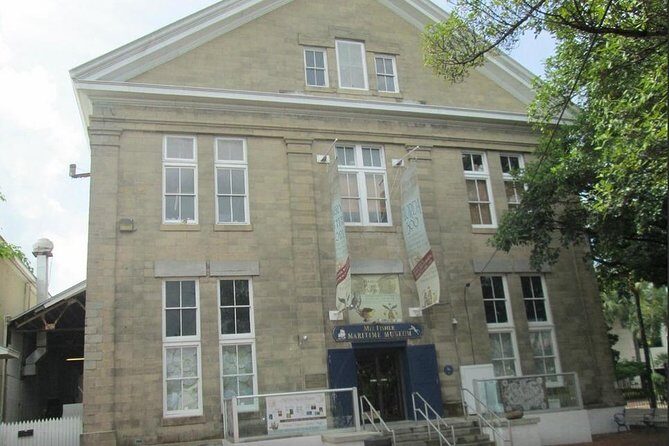
The museum experience starts with a kind of adventure that’s not at sea: Mel Fisher’s battles with the government to keep the artifacts he found. The story runs all the way to the US Supreme Court, which gives the museum’s treasure finds extra weight.
That matters because shipwreck “treasure” isn’t just about shiny objects. It’s about law, ownership, and the long fight it takes to recover items from the ocean, then preserve them responsibly.
You’ll also see that the museum treats Key West not as a generic tourist backdrop, but as a place shaped by maritime discovery and maritime consequences. That comes through in how the exhibits are organized and in the way the audio tour frames what you’re seeing.
Atocha Galleries: Spanish Treasure Galleons and Real-World Clues
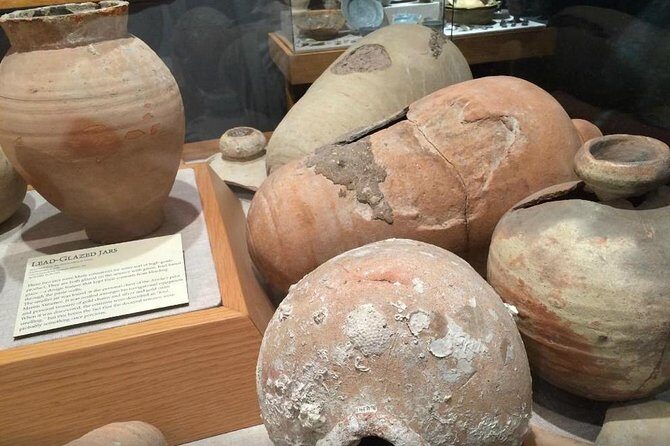
The Spanish Treasure Galleons galleries are a main event. This is where you’ll connect the museum’s most famous finds to tangible displays—treasure recovered from the sea, presented with clear labeling and a layout that helps you keep track.
One reason this section lands well is that the exhibits feel readable. You’re not just looking at objects behind glass; you’re getting enough signposting to understand what kind of ship it was, what was recovered, and why those clues matter.
You can also expect the museum to expand beyond the shipwreck itself. The story of Spanish coins in the New World shows up here too, which is a smart add-on if you like history that follows the money trail—literally. Coins were tools of trade and power, and when they’re tied to shipwreck finds, they become physical evidence for how empires and economies moved.
And yes, there’s room for fun curiosity in this gallery mix. The museum includes a section themed around the real pirates of the Caribbean, which helps the overall visit feel like more than museum lectures.
If you’re the type who likes to leave a museum knowing what to Google afterward, this is where you’ll get good hooks: names, places, dates, and the connection between maritime routes and what ended up underwater.
Henrietta Marie: A Slave Ship Exhibit That Doesn’t Soft-Pedal
The Henrietta Marie exhibits are the other big anchor in the museum. This is an English merchant slave ship dating back to 1699, and the shipwreck was discovered in 1972, with deeper excavation work happening years later.
What makes this section powerful is its focus. The exhibits home in on the realities of the transatlantic slave trade, and that’s reinforced by artifacts that directly connect to the people who were enslaved. You’ll see the kind of items that make the history feel immediate instead of abstract.
There’s also a strong investigative angle built in. You can expect video coverage on the investigations of the site, which helps you understand how archaeologists and conservators work when they’re dealing with wreck sites underwater and over time.
The museum’s tone here is worth paying attention to. The displays are designed to be respectful and serious, which is exactly what you want for this subject. It’s history with moral weight, not a themed stop meant to lighten the mood.
Practical tip: if you’re visiting with kids, use the audio tour to set expectations before you enter this area. You can also pace the visit—take breaks, drink water, and don’t force the whole thing in one go.
Key West African Cemetery and Slave Trade Context
Key West isn’t only “the place where treasure was found.” The museum also explains Key West’s unique role connected to the transatlantic slave trade through specific exhibits tied to that history.
This is where the museum broadens your understanding of maritime history. The sea brought trade and travel—but it also carried exploitation and suffering. The museum gives you that full, uncomfortable picture instead of letting you zoom in only on the “recovered treasure” part.
If you care about doing more than a checklist museum visit, this context is the reason to choose this ticket over a generic attraction. You’ll leave with a more accurate sense of how maritime networks affected real lives.
Other museums and attractions we've reviewed in Key West




Science of Shipwrecks and the Conservation Lab View
Not every museum will show you how objects survive long after the ship itself is gone. Here, the “Science of Shipwrecks” theme helps you understand that recovery is only step one.
The museum includes conservation-focused learning, and you can also take a lab tour where history is revealed through preservation work. The idea is simple: you’re not only seeing what was found; you’re learning how experts stabilize and protect artifacts so the public can study them without destroying them.
For you, that can be a game-changer if you’re the kind of traveler who likes process. Instead of leaving with only a dramatic story, you also leave with an understanding of the careful work behind the scenes.
And if your travel group is split—some people want stories, others want science—this museum section gives both sides something to grab onto.
Planning Your 1 to 4 Hours: How to Make the Most of Your Time
Your visit window is flexible. Plan on roughly 1 to 4 hours depending on how much you want to listen to the audio tour and how long you linger in the shipwreck galleries.
Here’s a good way to use that flexibility:
- If you’re short on time, prioritize the Atocha galleries first, then do the Henrietta Marie area, and cap it with the coins/pirates/shipwreck science sections.
- If you have time for a slower visit, let the audio tour guide you in sequence and treat the conservation/lab portion as a bonus stop.
A smart approach in Key West is to aim for opening hours or earlier in the day when possible. Not because the museum isn’t enjoyable later—but because you’re generally happier when you’re not fighting the strongest heat while walking between attractions.
Price and Value: Is $19.50 Worth It?
At $19.50 per person, this ticket is priced like a solid half-day museum activity in a busy tourist town. The value comes from two things you actually use: admission plus an English audio tour.
If you’ve ever paid for “museum entry only” and then felt lost, this is the fix. The audio guide keeps you moving in a way that connects objects to the story behind them, so you’re not left playing museum guessing games.
Also, the museum’s core appeal has depth on both sides of the emotional spectrum—treasure, yes, but also the slave ship and Key West’s connected history. That isn’t something every maritime attraction manages well without turning serious topics into background noise.
The other value factor is group size. The experience is capped at a maximum of 15 travelers, which tends to keep things calmer and easier to manage inside.
And since the museum offers a DVD for purchase, you’re not forced into buying extra add-ons to get the basics. You’re paying for what’s most useful first: entry and the audio tour.
Who Should Book This Ticket (and Who Might Reconsider)
I’d recommend this for you if you want:
- A Key West stop that’s more than casual sightseeing
- Real shipwreck discoveries tied to readable exhibit storytelling
- An audio guide that helps you follow the galleries in order
- A museum visit that includes the heavy history, handled respectfully
It’s also a good option if you’re traveling with kids who can handle museum time. The audio tour format tends to keep younger visitors engaged because it gives structure to what they’re looking at.
You might think twice if you’re expecting an upbeat, party-museum vibe. The Henrietta Marie and slave-trade related exhibits are intentionally serious, and that tone is part of what makes the visit worthwhile.
Should You Book This Mel Fisher Maritime Museum Admission and Audio Tour?
Book it if you want a strong Key West museum experience that mixes treasure discovery with real historical context—and you’d rather listen and explore at your own pace than follow a rigid script. The included English audio tour is the difference-maker, because it turns the visit from looking into learning.
Skip it only if you’re short on time and prefer super-light attractions, or if serious subject matter would be stressful for your group right now. Otherwise, this is the kind of ticket that helps you understand why maritime history in Key West isn’t just about ships—it’s about people, law, and consequences.
FAQ
What is included with the Mel Fisher Maritime Museum admission ticket?
The package includes one audio tour in English.
How long should I plan to spend at the museum?
Plan for about 1 to 4 hours, depending on how much you listen and how long you stay in each gallery.
What language is the audio tour?
The audio tour is offered in English.
What are the museum’s opening hours?
From Tuesday to Sunday, the museum is open 10:00 AM to 4:00 PM (for both 2025 and 2026 dates listed).
Is there a DVD available to buy?
Yes, a DVD is available for purchase.
Can I cancel for a full refund?
Yes. You can cancel for a full refund if you cancel at least 24 hours before the experience’s start time.