REVIEW · KEY WEST
Mel Fisher Maritime Museum Admission Ticket
Book on Viator →Operated by Mel Fisher Maritime Museum · Bookable on Viator
Gold isn’t the real prize here. With this Key West admission, you’ll move from Mel Fisher’s real-life Supreme Court fight for shipwreck artifacts to the museum’s standout Spanish Treasure Galleons galleries. You also get a serious education stop with the Slave Ship and Key West African Cemetery exhibits.
What I like most is how the museum pairs “wow” objects—gold, silver, coins, jewels—with the human stories behind the finds. The second big win is the way the experience includes shipwreck science and conservation, so the treasure feels earned, not just decorative.
One drawback to plan for: the museum packs a lot into a short visit, so if you hate museum reading, you may want to skim and focus on the galleries you care about most.
In This Review
- Key Highlights in 5 Minutes
- Price and Timing: A $17.50 Ticket That Fits a Real Day in Key West
- Walking Into the Mel Fisher Maritime Heritage Museum (The Fight for the Artifacts)
- Spanish Treasure Galleons Galleries: Coins, Jewelry, and Real Eye Candy With Context
- Henrietta Marie (1699): The Shipwreck Story and How Archaeology Gets Done
- Real Pirates of the Caribbean, Coins, and the Science of Shipwrecks
- The Slave Ship and Key West African Cemetery Exhibits: Honest, Heavy History
- Conservation and Lab Tours: Seeing History Under Scientific Care
- How Long Should You Spend Here? A Practical Time Plan for 1 to 2 Hours
- What’s Included (and What You’ll Need to Buy Separately)
- Who This Museum Is For (and Who Might Want Another Option)
- Should You Book This Mel Fisher Maritime Museum Admission Ticket?
- FAQ
- How much is the Mel Fisher Maritime Museum admission ticket?
- How long does the admission experience take?
- When is the museum open?
- Is the experience offered in English?
- What does the ticket include?
- Is a DVD included with admission?
- How long is the ticket valid?
- Are there options for service animals?
- What is the cancellation policy?
Key Highlights in 5 Minutes

- The Supreme Court backstory: a real government standoff tied directly to the artifacts you’ll see
- Spanish Treasure Galleons: gold, silver, and jewels recovered from historic ships
- Henrietta Marie (1699): the shipwreck story plus the relics found onboard
- Slave Ship and Key West African Cemetery exhibits: difficult history presented thoughtfully
- Shipwreck science and conservation: including a lab tour where history is revealed through preservation
Price and Timing: A $17.50 Ticket That Fits a Real Day in Key West
At $17.50 per person, this admission is priced like a solid museum stop, not an all-day commitment. The time window is about 1 to 2 hours, which is perfect when you’re juggling beaches, sunset stops, and dinner reservations around Key West.
You can visit Tuesday through Sunday, typically 10:00 AM to 4:00 PM. Plan around the fact that this place can be very “read-heavy,” especially if you linger over descriptions. If you’re the type who moves fast through museums, you’ll likely land closer to the hour mark. If you stop to absorb the context (and a lot of the displays reward that), two hours feels right.
Also, the ticket is valid for single use within 60 days of your selected date. That’s helpful if your Key West schedule shifts. And if you’re traveling during a busy stretch, booking about two weeks in advance is a smart move.
Other museums and attractions we've reviewed in Key West



Walking Into the Mel Fisher Maritime Heritage Museum (The Fight for the Artifacts)
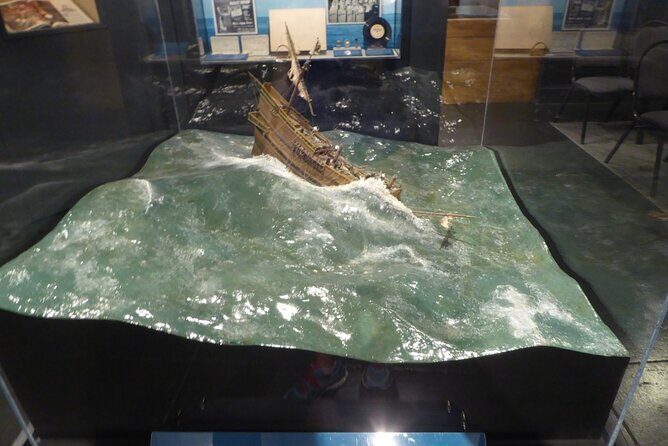
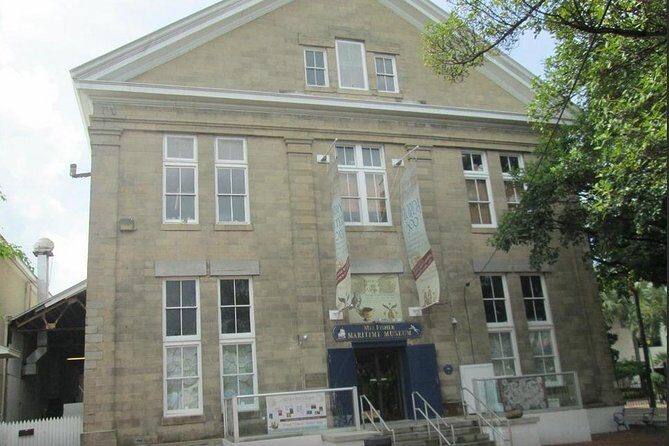
The first thing you’ll notice is that this museum isn’t just showing treasure. It explains why that treasure mattered so much that it became a battle with government authorities—right up through the US Supreme Court.
That legal showdown is more than trivia. It frames everything you’ll see later. When you understand that the artifacts didn’t become “public” by accident, you view the displays differently. You start thinking about custody, preservation, and who gets to own history. It’s a strong narrative anchor, especially if you’ve ever visited museums where the objects feel disconnected from the messy reality of discovery.
You also get the sense that Mel Fisher is treated like a folk legend with consequences. The museum doesn’t try to smooth the edges. It keeps the focus on the stakes and the persistence behind the finds.
Practical tip: if you want to get your bearings fast, spend a few minutes reading how the galleries are arranged. The story comes in stages, and it’s easier to follow if you don’t jump around too much.
Spanish Treasure Galleons Galleries: Coins, Jewelry, and Real Eye Candy With Context
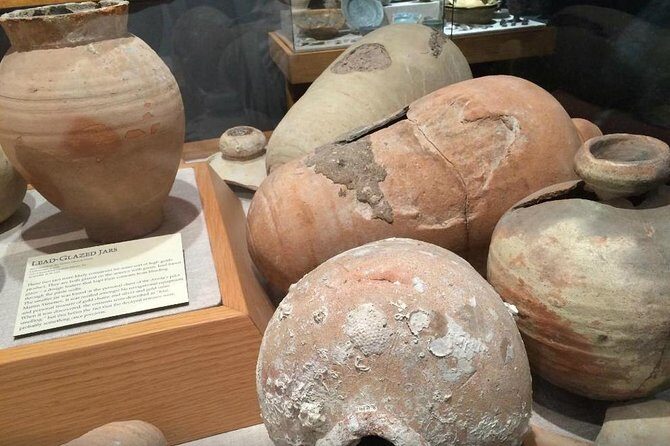
This is the part most people come for: the Spanish Treasure Galleons galleries. You’ll see recovered items associated with historic ships that sailed the Florida coast, and the display theme is unmistakable—gold, silver, jewels, and precious metal finds from the sea.
What makes this section more satisfying than a typical “pretty objects” room is the context around where the treasure came from and what it represented. You’re not just looking at shiny things; you’re seeing evidence of shipwreck recovery and identification. The museum also highlights themes like Spanish coins in the New World and the broader reality of European maritime wealth and piracy-era risk.
Several displays focus on categories of objects—coins, jewelry, and tableware-style items like plates and goblets—plus bullion. Seeing these grouped helps your brain connect the scale. Treasure isn’t just one bracelet in a case. It’s the total “cargo story,” item by item.
If you get bored easily by static displays, this is a good place to slow down anyway. The museum does a nice job keeping the sequence logical, so you don’t feel like you’re wandering.
Henrietta Marie (1699): The Shipwreck Story and How Archaeology Gets Done
Next, you’ll encounter the story of the Henrietta Marie, an English merchant slave ship dated to 1699. The wreck was discovered in 1972, but the excavation work only happened partially at first, with more work taking place years later.
That detail matters. It reminds you that underwater archaeology is slow and cautious. You’re not watching an instant treasure hunt. You’re watching recovery and documentation take time.
You’ll also see relics connected to the ship. This section helps shift the experience from treasure-lust to historical method. You start thinking about how items survive, how they’re cataloged, and how a wreck becomes a story instead of scattered objects.
If you love when a museum teaches you how knowledge is made, keep your attention here. This part works well for both history fans and science-minded visitors.
Real Pirates of the Caribbean, Coins, and the Science of Shipwrecks
The museum doesn’t stick to one lane. It threads together multiple themes that explain why “treasure” isn’t just about money.
You’ll run into displays about the Real Pirates of the Caribbean, plus the bigger angle: how ships carried wealth, how colonies and trade shaped demand for that wealth, and why wrecks became targets. The goal isn’t to turn history into a costume drama. It’s to connect maritime survival, commerce, and conflict to what gets recovered.
Then the museum turns to the Science of Shipwrecks theme. This is where things get more technical. You’re shown how wreck finds are studied, and how conservation keeps artifacts from decaying after their long time underwater.
If you’re the type who likes a museum that explains the how, you’ll probably feel more satisfied in this portion than you expected. It turns the experience from spectacle into process.
A few more Key West tours and experiences worth a look



The Slave Ship and Key West African Cemetery Exhibits: Honest, Heavy History
This is the emotional core of the museum. The Slave Ship and Key West African Cemetery exhibits give you a thought-provoking look at the Transatlantic Slave Trade and Key West’s role in it.
It’s unnerving in the way real history is unnerving. There’s no sugarcoating, and that’s exactly why it works. This isn’t a “side room” added for variety. It’s integrated into the overall experience and forces you to see that the same oceans that carried wealth also carried human suffering.
You might also notice how the museum ties the story of the shipwreck and recovered relics to the wider context of slavery. The Henrietta Marie connection makes the history feel specific rather than abstract.
If you’re visiting with kids, I’d judge it based on your family. Some families will find it educational and important. Others will find it too heavy. Either way, plan ahead for the emotional weight.
Practical tip: build in a short pause before and after this section. You’ll process the exhibits more easily if you don’t rush through them.
Conservation and Lab Tours: Seeing History Under Scientific Care
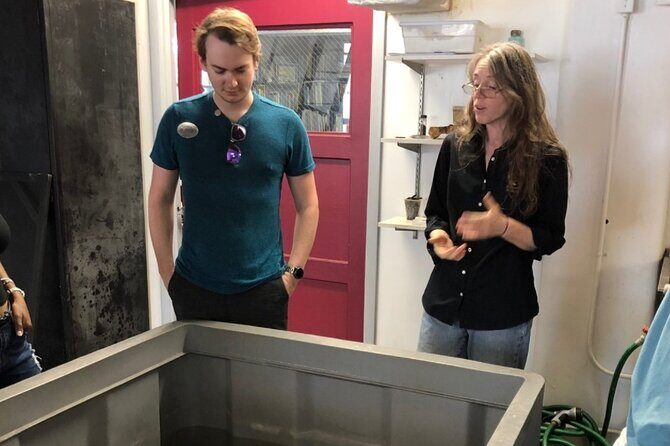
One of the most useful surprises in this museum is how it points toward conservation as a daily practice. The museum notes that you can even take a lab tour and see how history is revealed through preservation work every day.
That’s a big deal for how you’ll remember the visit. When conservation is part of the story, the artifacts feel like living work-in-progress, not just trophies behind glass. You start appreciating the behind-the-scenes effort needed to keep recovered materials stable.
Even if you don’t catch a lab tour at exactly the time you arrive, the fact that the museum builds conservation into the experience helps you interpret what you’re seeing. You can look at an object and understand it wasn’t just found—it was also saved, stabilized, and studied.
How Long Should You Spend Here? A Practical Time Plan for 1 to 2 Hours
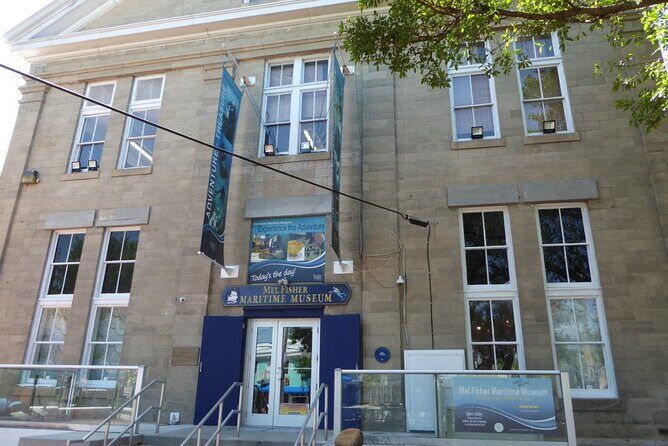
For most people, this ticket works best as a focused museum block. Here’s a simple way to plan your time:
- If you want the highlights: aim for about 1 hour
Focus on the Spanish Treasure Galleons galleries, then move straight to the Henrietta Marie section and finish with the Slave Ship exhibit.
- If you want the full experience: aim for 1.5 to 2 hours
Spend extra time on the Supreme Court background, read more carefully in the science/conservation areas, and slow down for the slave trade exhibits.
If you’re traveling with older family members, the museum experience tends to be more comfortable when you plan for breaks. One of the practical things you’ll be grateful for is that there are chairs available, so you’re not stuck standing the whole time.
If you’re listening-based rather than reading-based, consider using any audio support available onsite. A couple of visitors specifically mentioned that audio helped bring the story to life.
What’s Included (and What You’ll Need to Buy Separately)
Your admission ticket covers entrance.
A DVD exists but it’s not included with the ticket, so if you want a keepsake or a way to review later, that would be an extra purchase.
Language is English, so you can expect the information and interpretation to be in English throughout.
Who This Museum Is For (and Who Might Want Another Option)
This admission is a strong match if you like:
- Maritime history and shipwreck stories
- Treasure finds with explanation, not just display cases
- A museum that includes both the “glitter” and the human cost
It’s also a good choice for teachers and students, since the museum ties artifacts to clear themes like conservation, trade, and slavery.
It may be a less perfect fit if:
- You want purely visual exhibits with minimal reading
- You need a lighter, upbeat stop (the Slave Ship exhibits are heavy)
Should You Book This Mel Fisher Maritime Museum Admission Ticket?
Yes—if you want a Key West museum stop that actually teaches you something. For $17.50, you get a rare mix: courtroom drama, gorgeous recovered treasure, and shipwreck science, plus the hard-hitting Slave Ship and Key West African Cemetery exhibits that put the whole story in human context.
If you’re short on time, you’ll still get value because the visit is designed to work within 1 to 2 hours. And if you’re the type who likes to understand how museums decide what matters, this is one of the better uses of an afternoon in Key West.
Book it if you care about real stories behind objects. Skip it only if you want a purely laid-back, low-text experience.
FAQ
How much is the Mel Fisher Maritime Museum admission ticket?
The ticket costs $17.50 per person.
How long does the admission experience take?
Plan for about 1 to 2 hours.
When is the museum open?
The museum is open Tuesday through Sunday, 10:00 AM to 4:00 PM.
Is the experience offered in English?
Yes, the experience is offered in English.
What does the ticket include?
The ticket includes entrance.
Is a DVD included with admission?
No, a DVD is not included, and it is available to purchase.
How long is the ticket valid?
Your ticket is valid for single use within 60 days of your selected date.
Are there options for service animals?
Yes, service animals are allowed.
What is the cancellation policy?
You can cancel for a full refund up to 24 hours in advance of the experience start time. If you cancel less than 24 hours before, the amount paid is not refunded.